- 25–27 August 2026
- Panthers Port Macquarie
- #AbSecConference
- 25–27 August 2026
- Panthers Port Macquarie
- #AbSecConference
- 25-27 August 2026
- Panthers Port Macquarie
- #AbSecConference
- 25-27 Aug 2026
- Panthers Port Macquarie

2026 New South Wales
Program & speakers
Returning in 2026, the AbSec hosted conference promises another powerful gathering that blends knowledge-sharing, cultural connection, and collective action.
Lead with your voice: A call for speakers
AbSec is inviting speakers from across the sector to present at the 2026 AbSec Conference. This is your chance to share what is working in community, highlight innovation, and contribute to the conversations shaping our sector. If you have experience, research or a deadly practice to share, we want to hear from you.
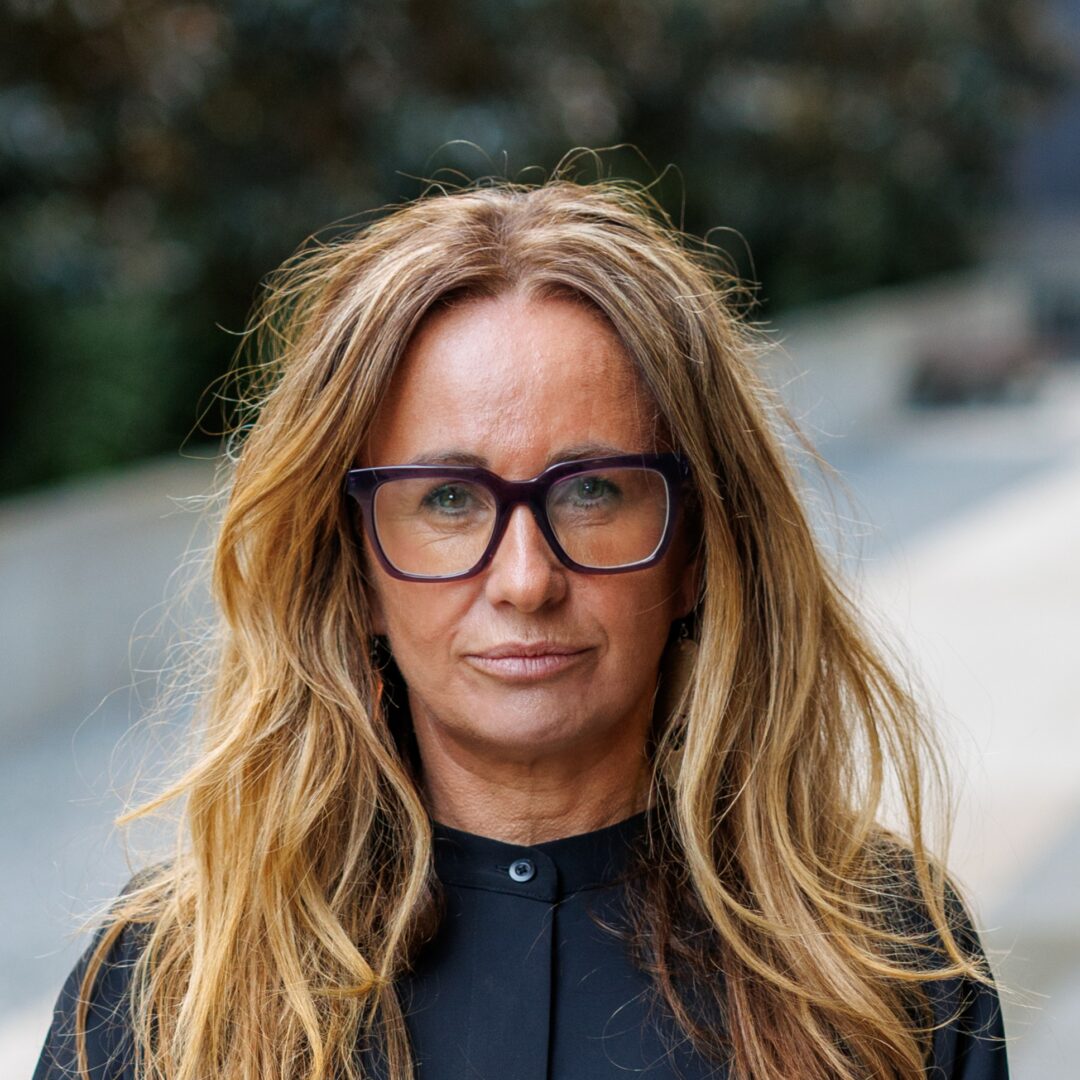
National Commissioner for Aboriginal and Torres Strait Islander Children and Young People
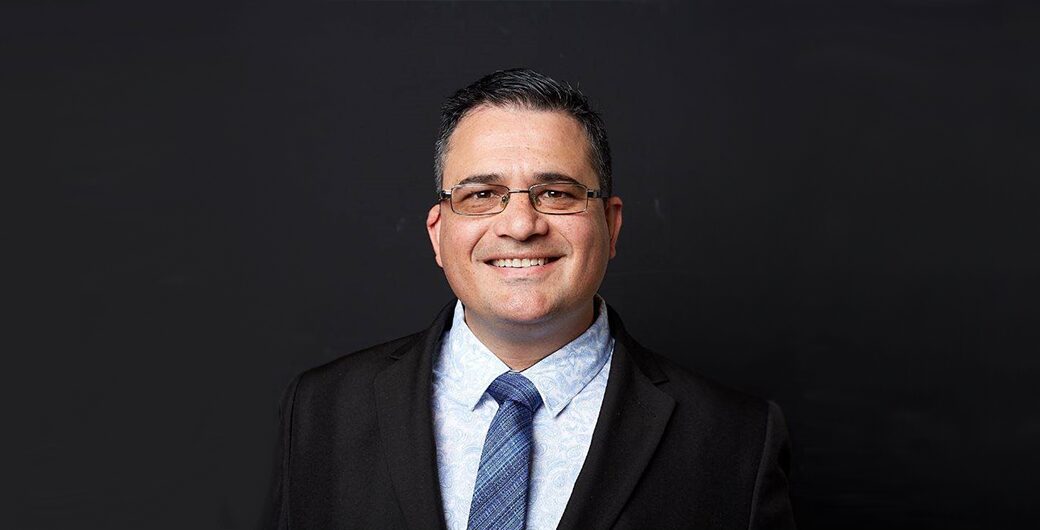
Chief Executive Officer, Queensland Aboriginal and Torres Strait Islander Child Protection Peak (QATSICPP)
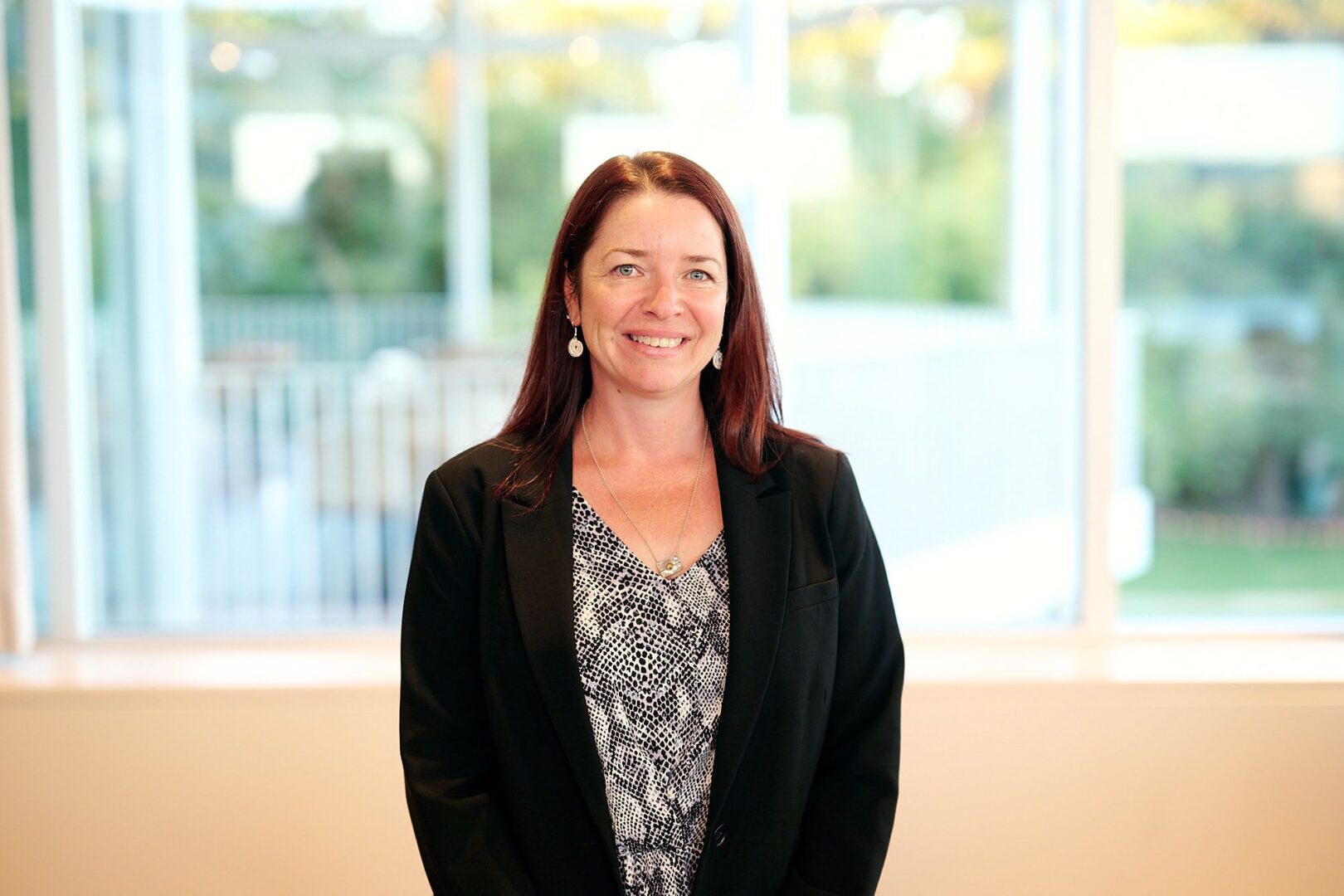
Associate Professor, UNSW Social Policy Research Centre
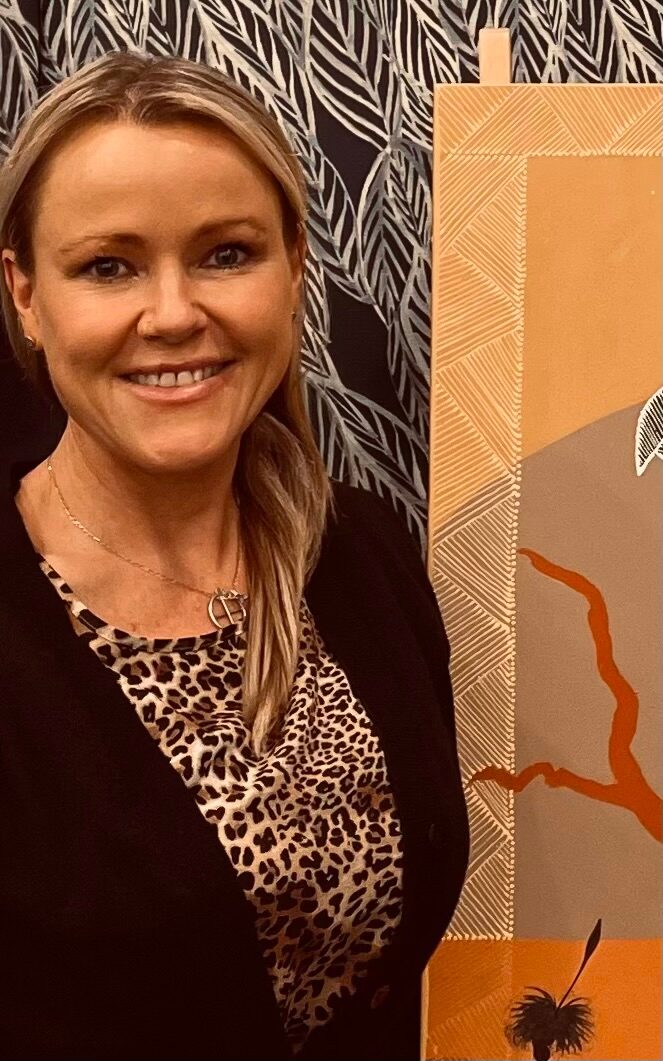
Aboriginal Clinical Psychologist/PhD Candidate
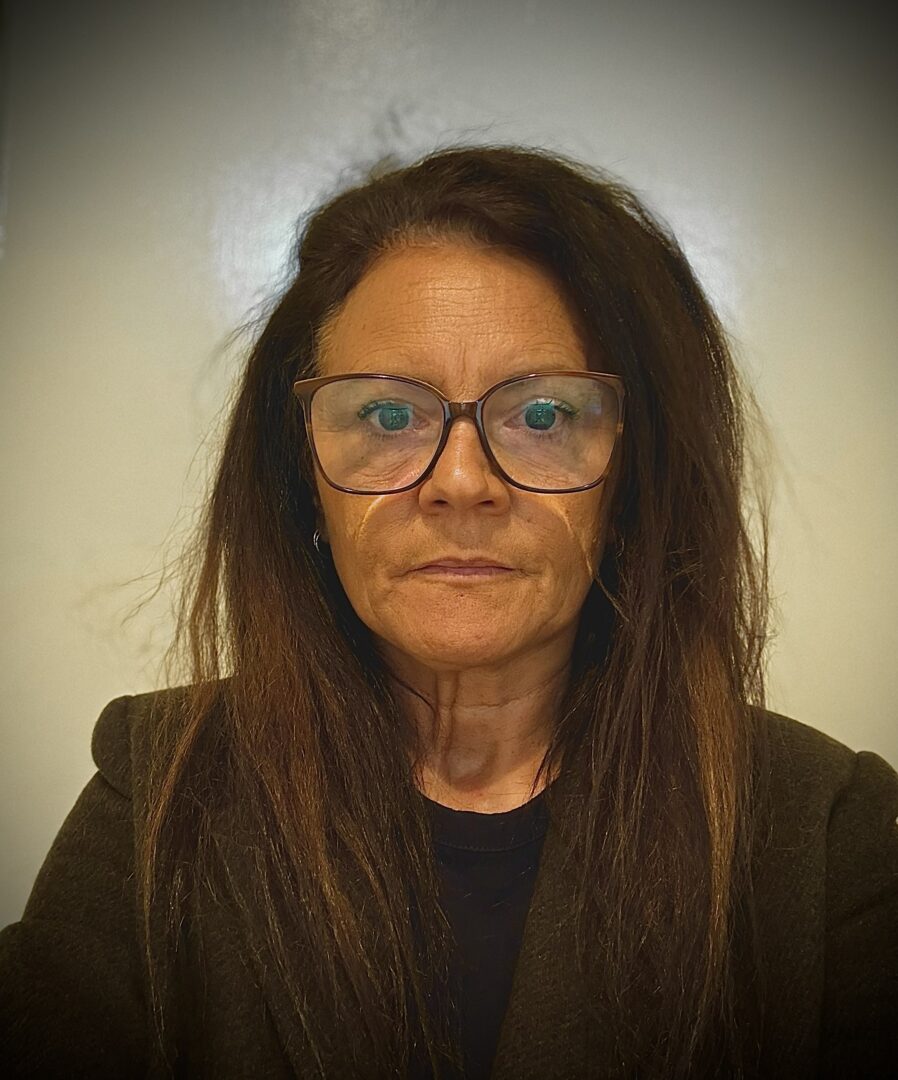
RMIT & AbSec Child Protection Officer
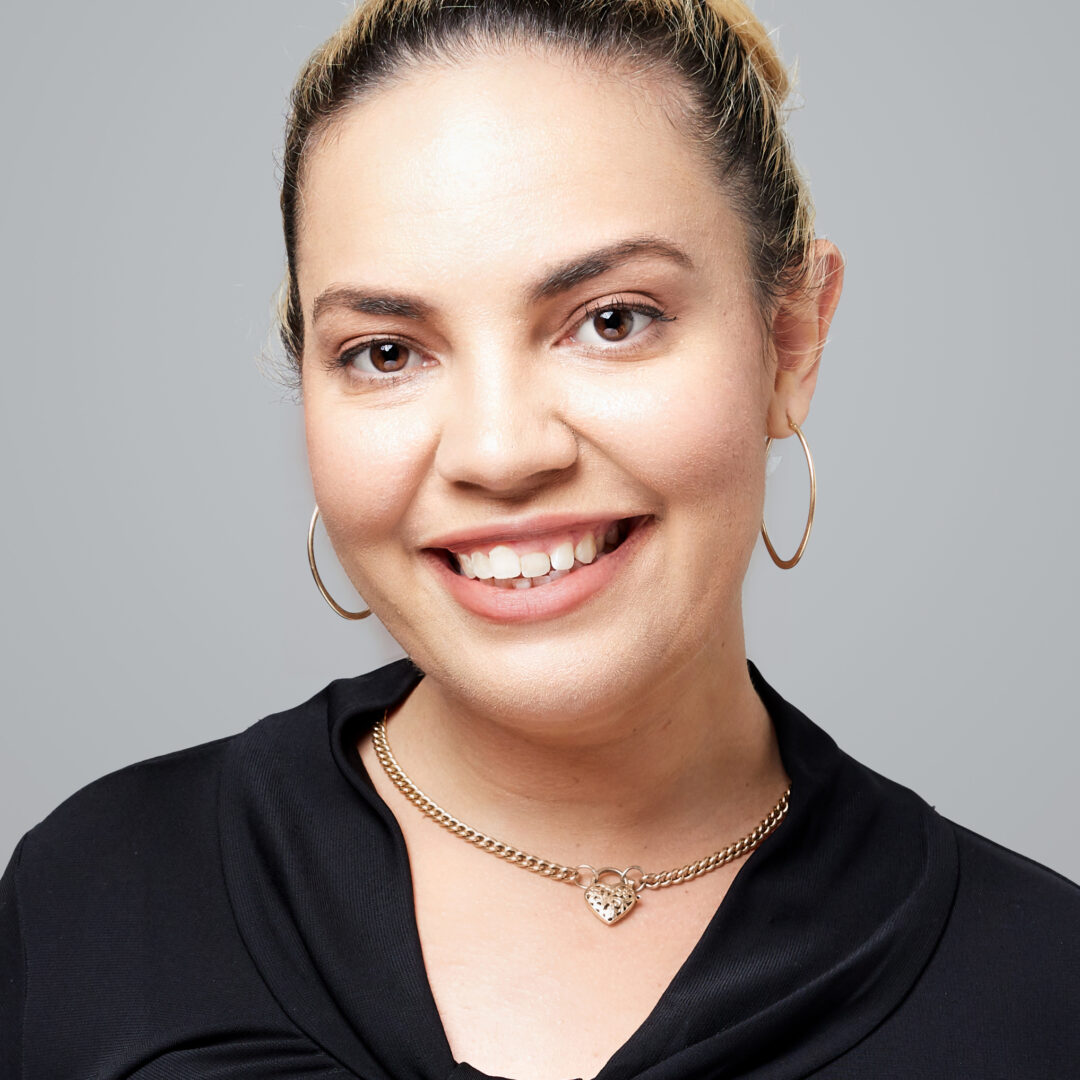
PhD Candidate and Research Fellow, Child Protection Hub, Jumbunna Institute of the University of Technology Sydney
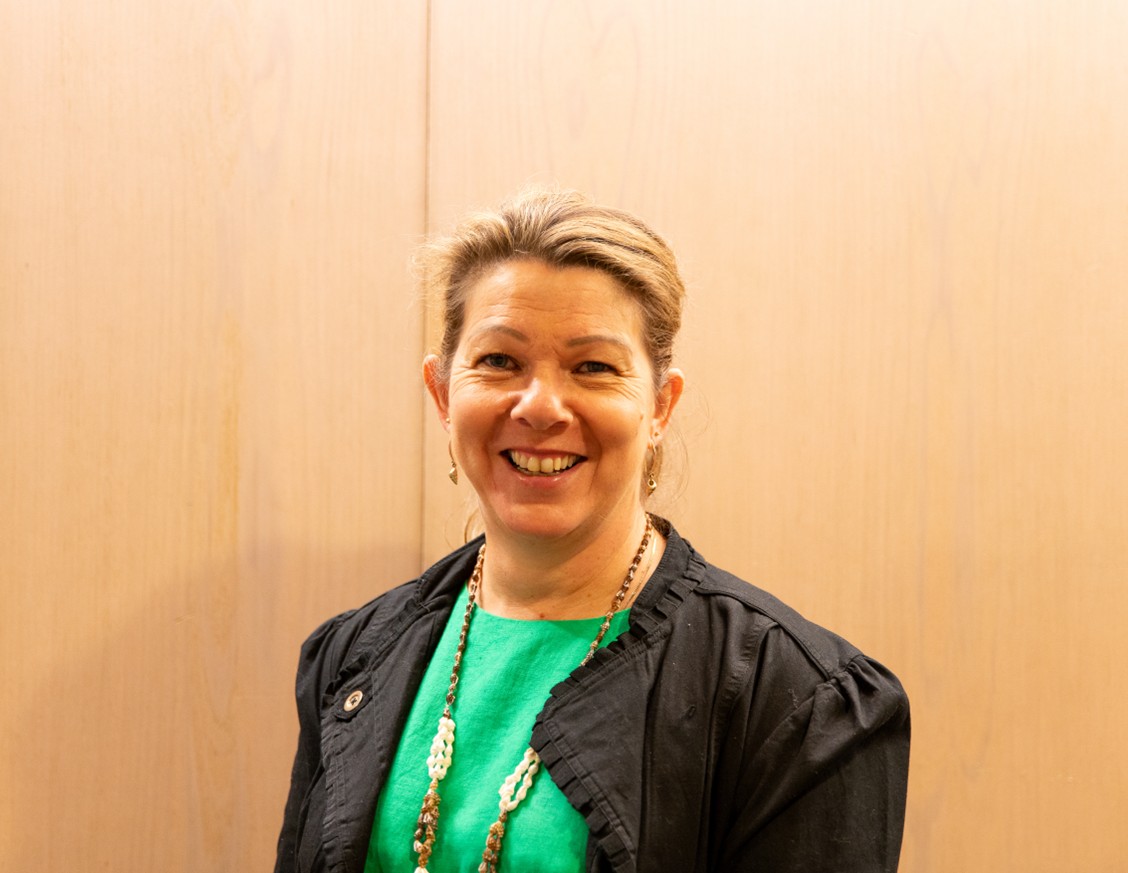
SNAICC Board Member and Statewide Family and Children’s Program Manager at the Tasmanian Aboriginal Centre
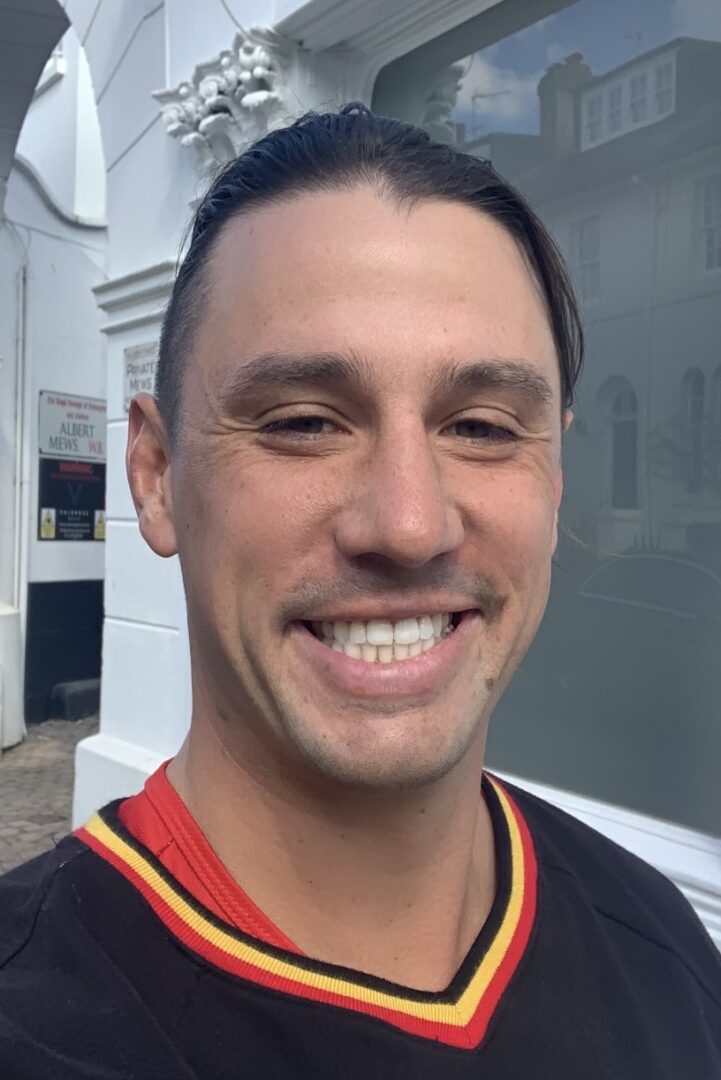
Senior Research Fellow, Jumbunna Institute of Indigenous Education and Research, University of Technology Sydney
Asia Pacific Regional Manager, Safe & Together Institute
Social Policy Research Centre, UNSW
Senior Project Officer, VACCA

Chief Executive Officer, VACCA
Senior Research Fellow, ALIVE National Centre, University of Melbourne
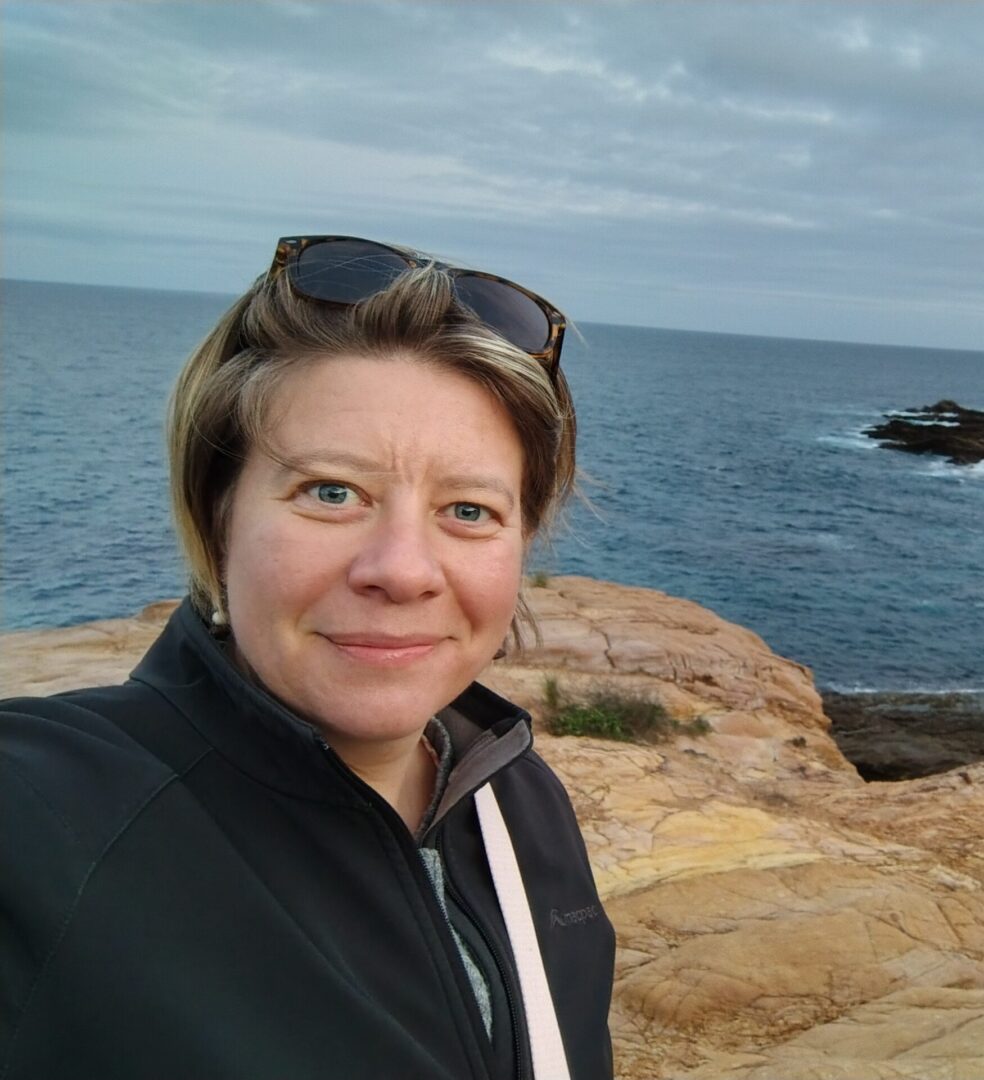
Community Data Project Lead, VACCA
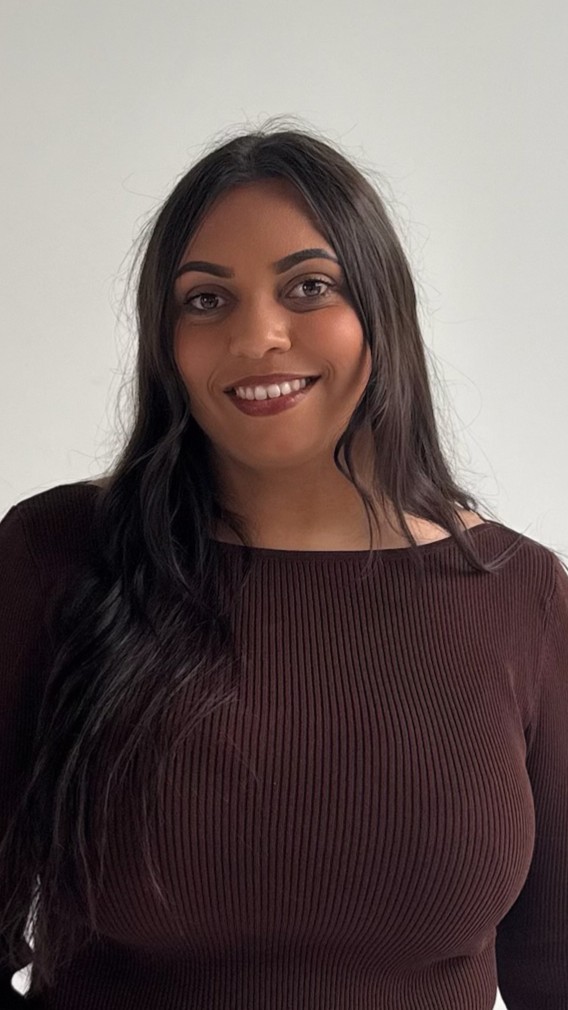
Co-Founder & Facilitator, Warranggal Baawaa
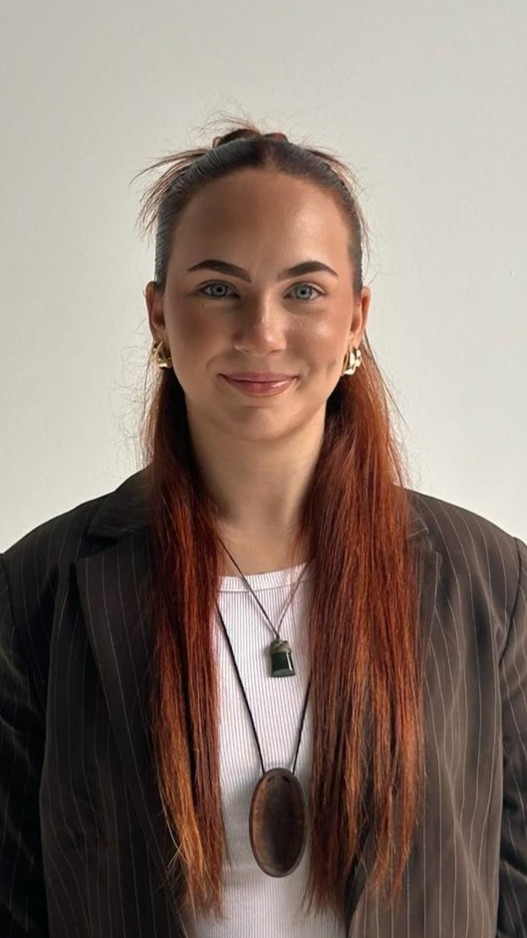
Co-Founder & Facilitator, Warranggal Baawaa
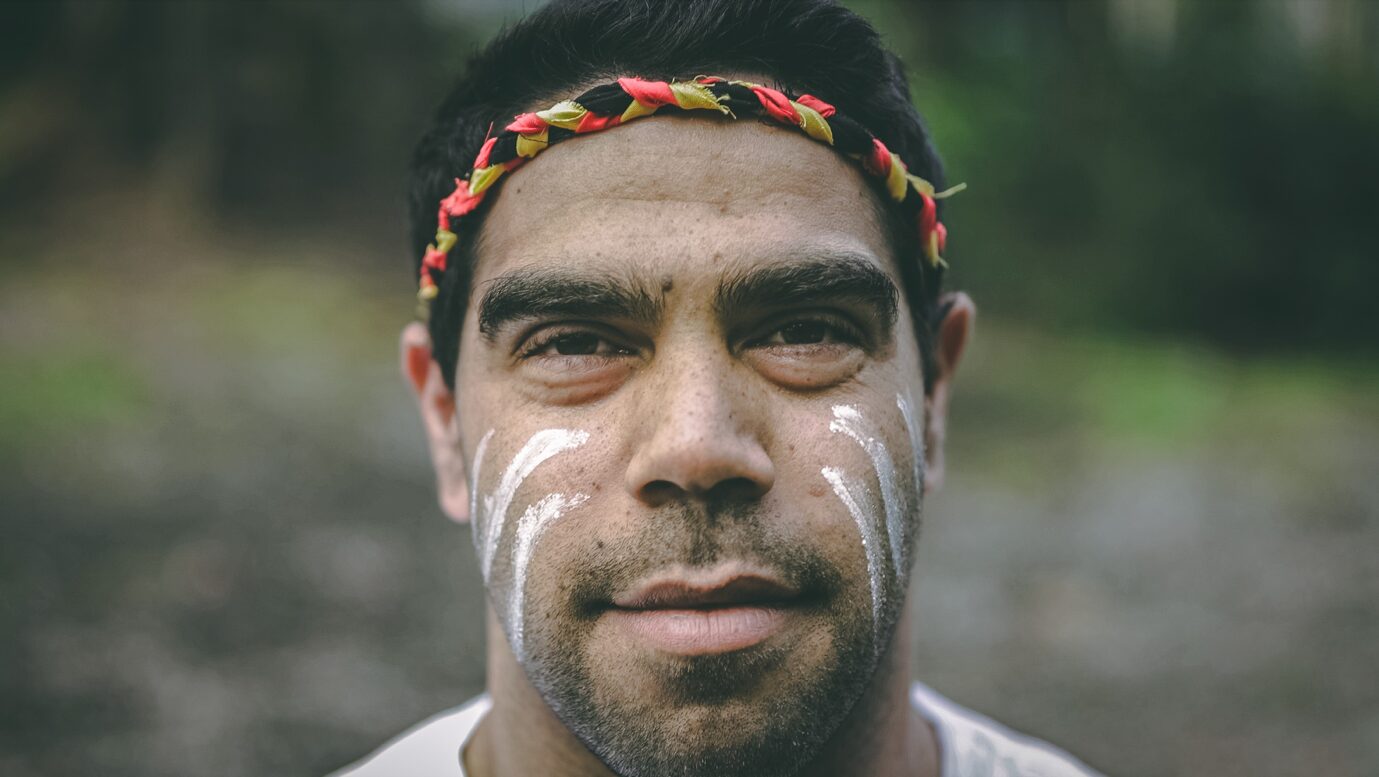
Cultural Therapeutic Specialist, Allambi Care
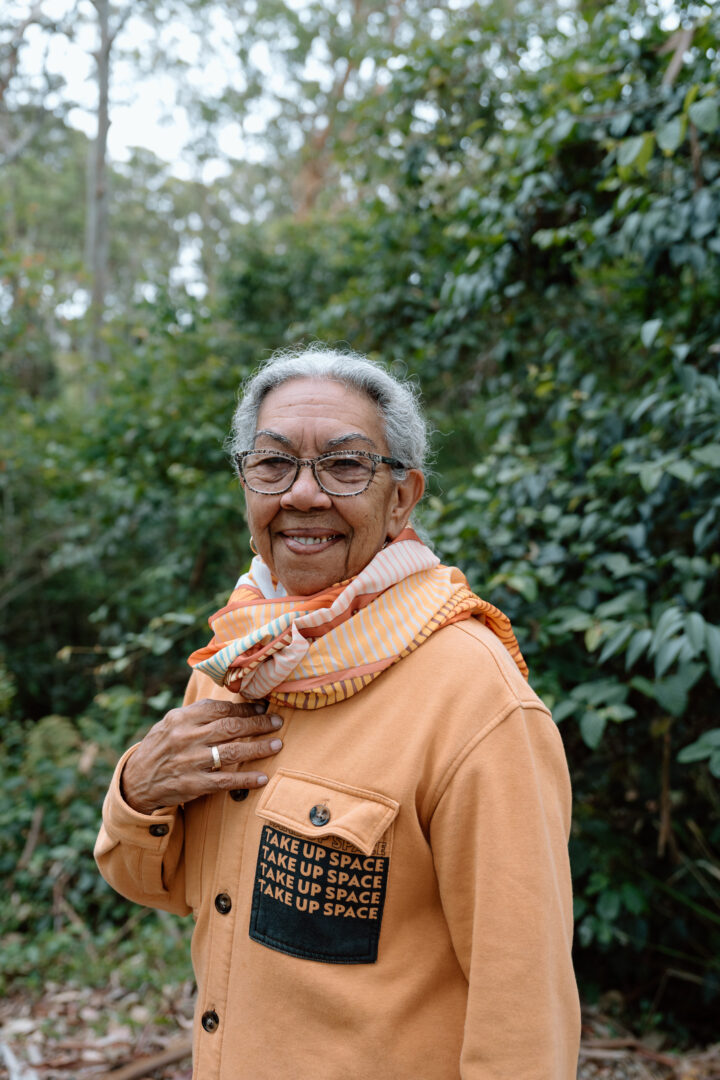
Advocate and Co-Founder, GMAR
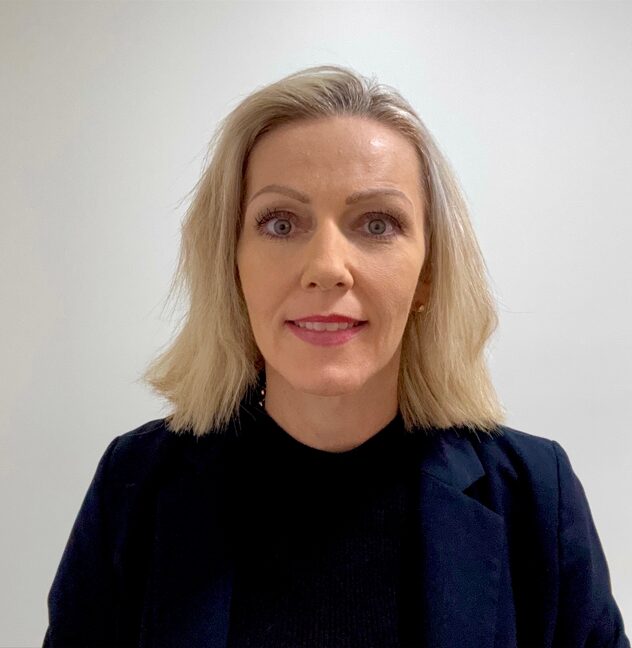
Principal Solicitor, Care and Protection/ Family Law Practice, Aboriginal Legal Service (NSW/ACT)
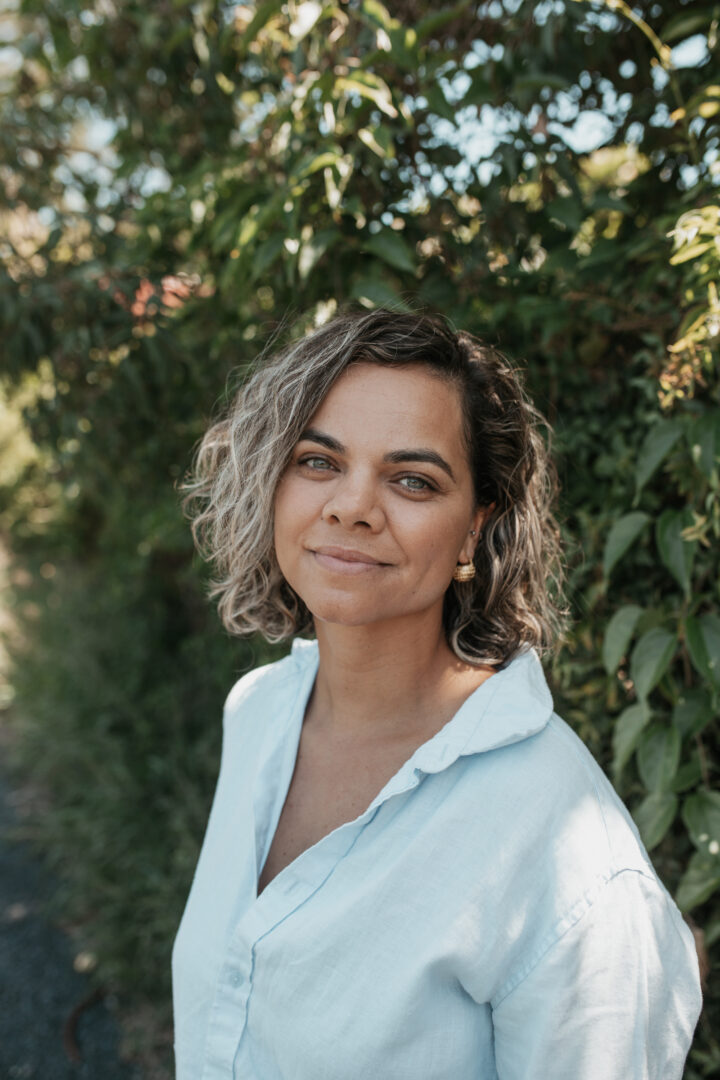
Indigenous Evaluation Project Officer, University of Newcastle
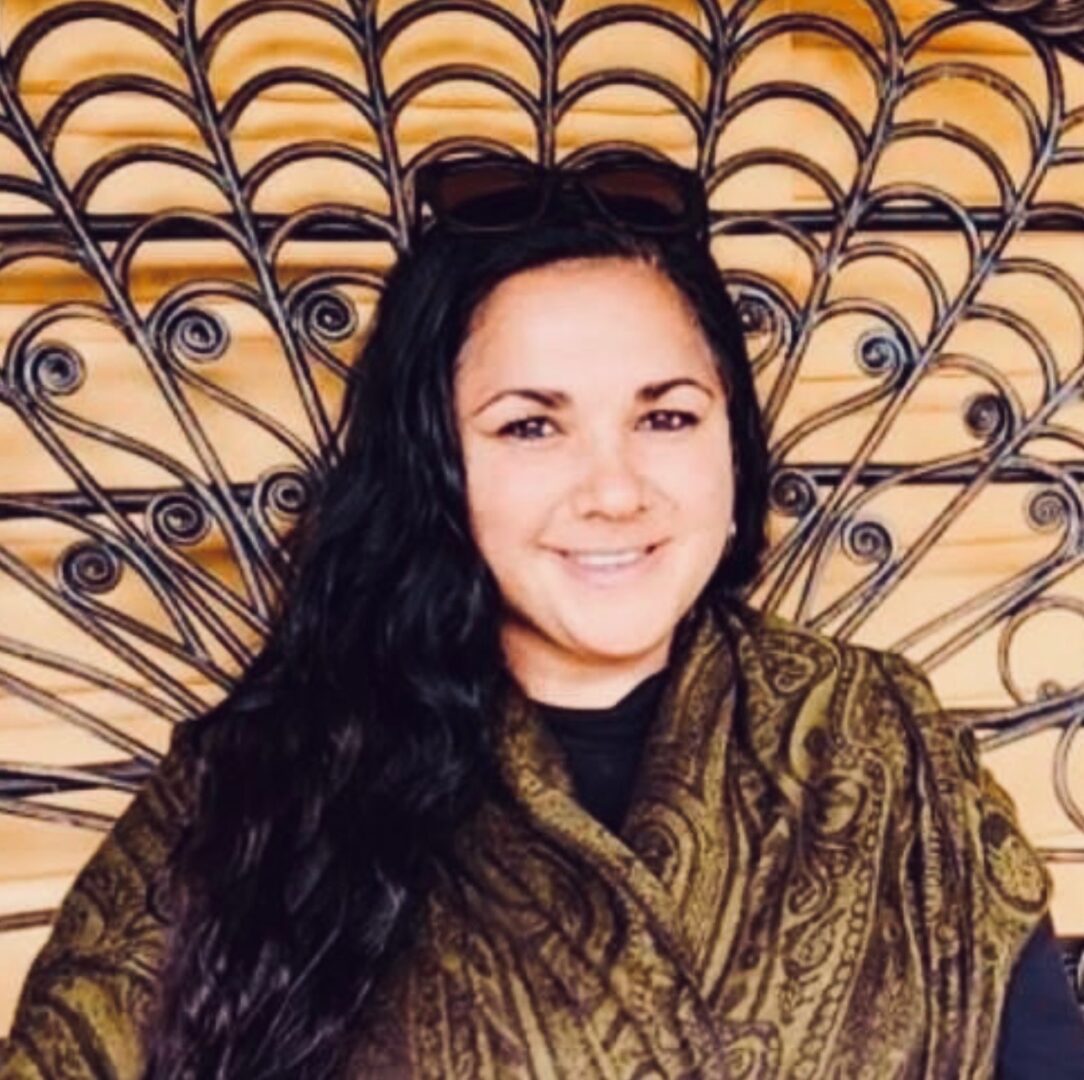
Co-Manager, Nabu Restoration and Preservation Program, Waminda
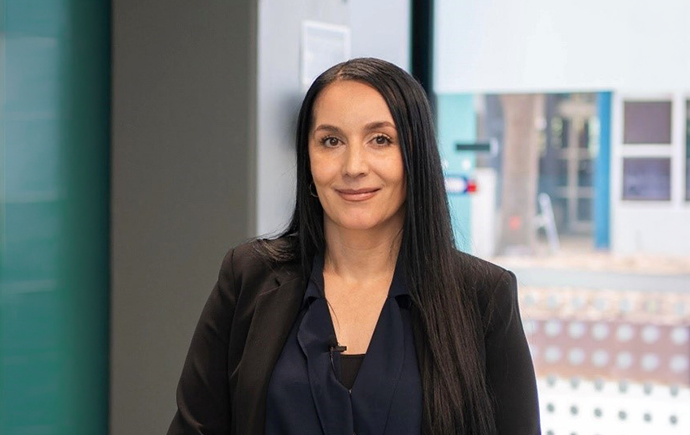
Senior Lecturer and Associate Dean (Indigenous), Faculty of Information Technology, Monash University
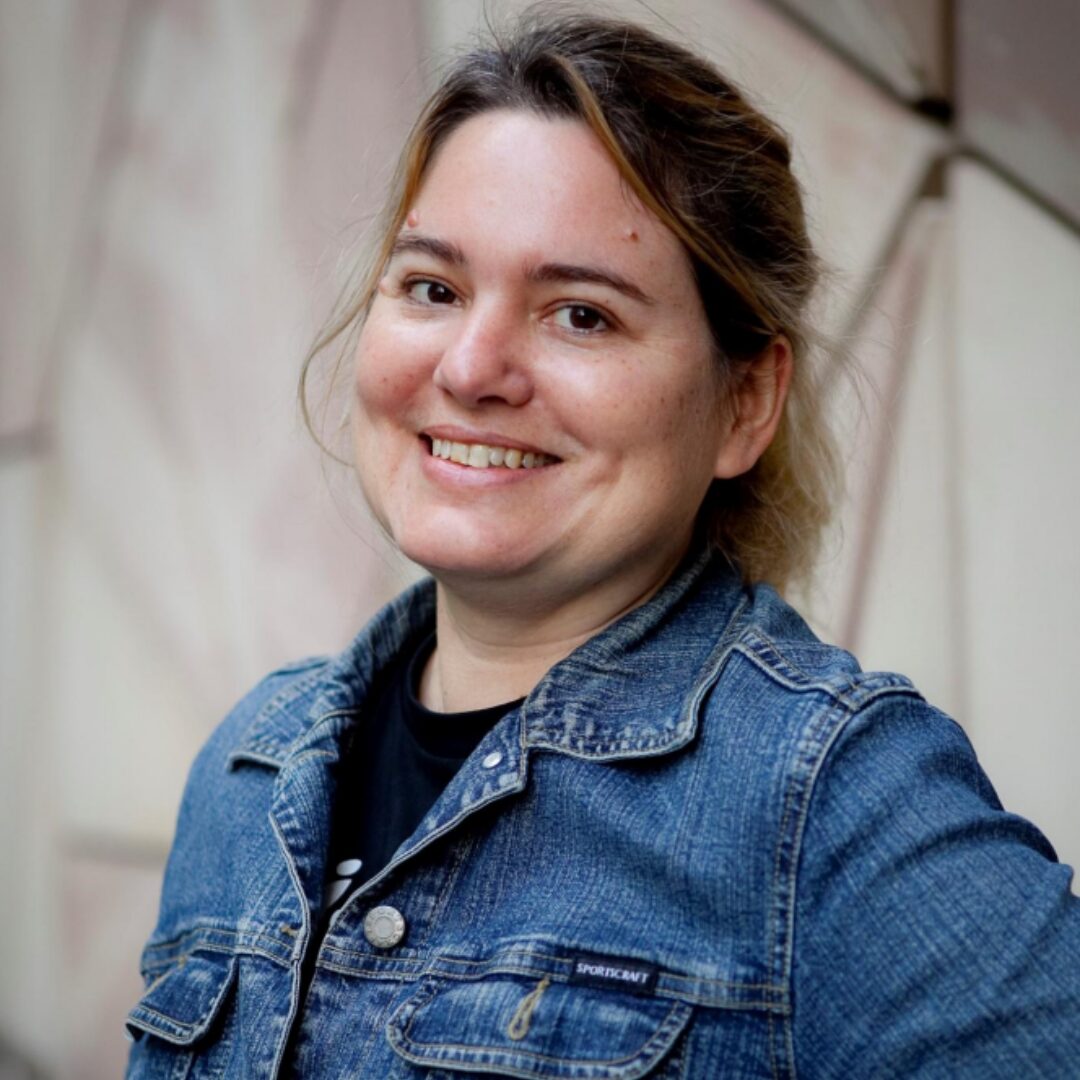
DSLA (Indigenous Data Sovereignty and Living Archives) Research Team, Monash University
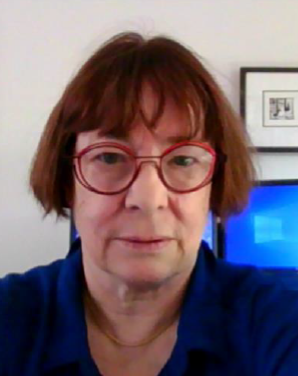
Research Consultant, DSLA (Indigenous Data Sovereignty and Living Archives), Monash University
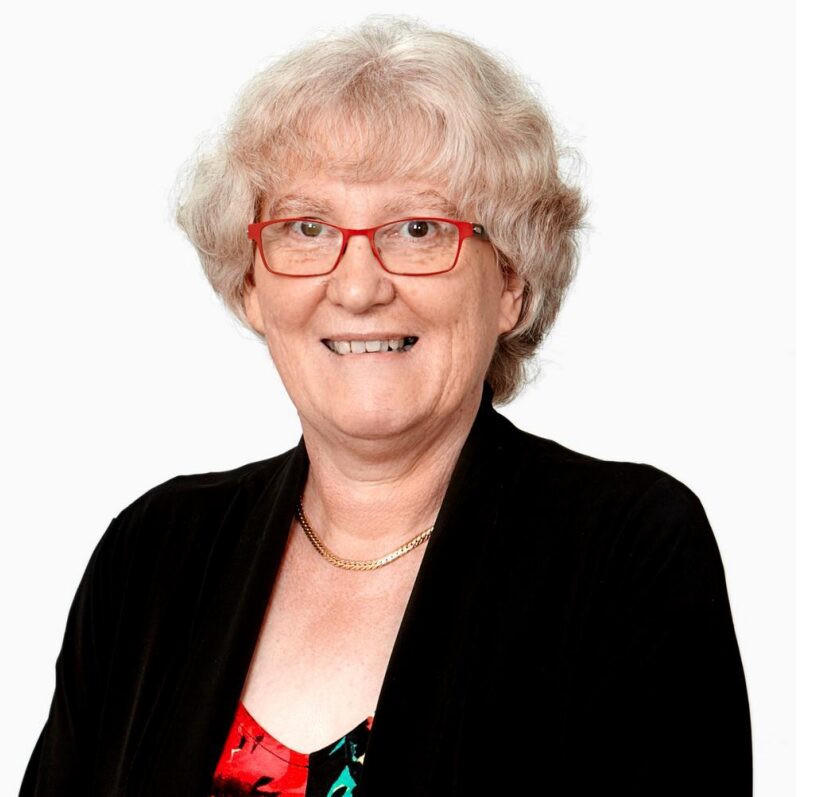
Associate Dean Graduate Research, Faculty of Information Technology, Monash University
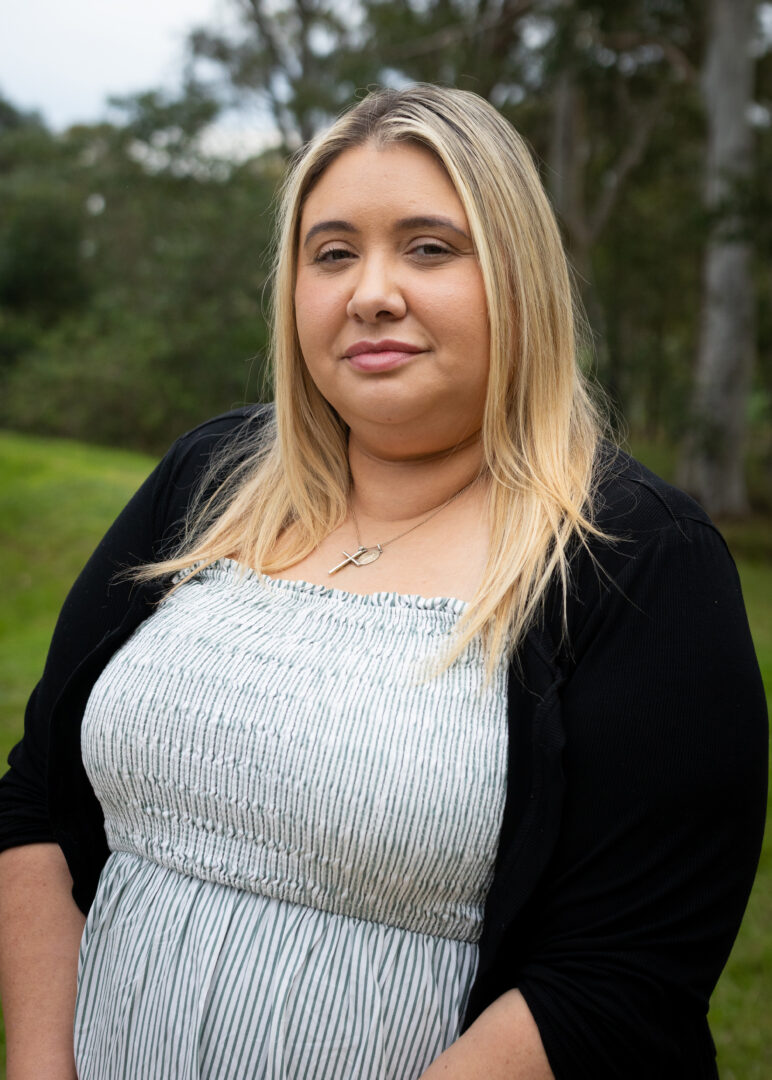
General Manager of Preservation Programs, Wandiyali
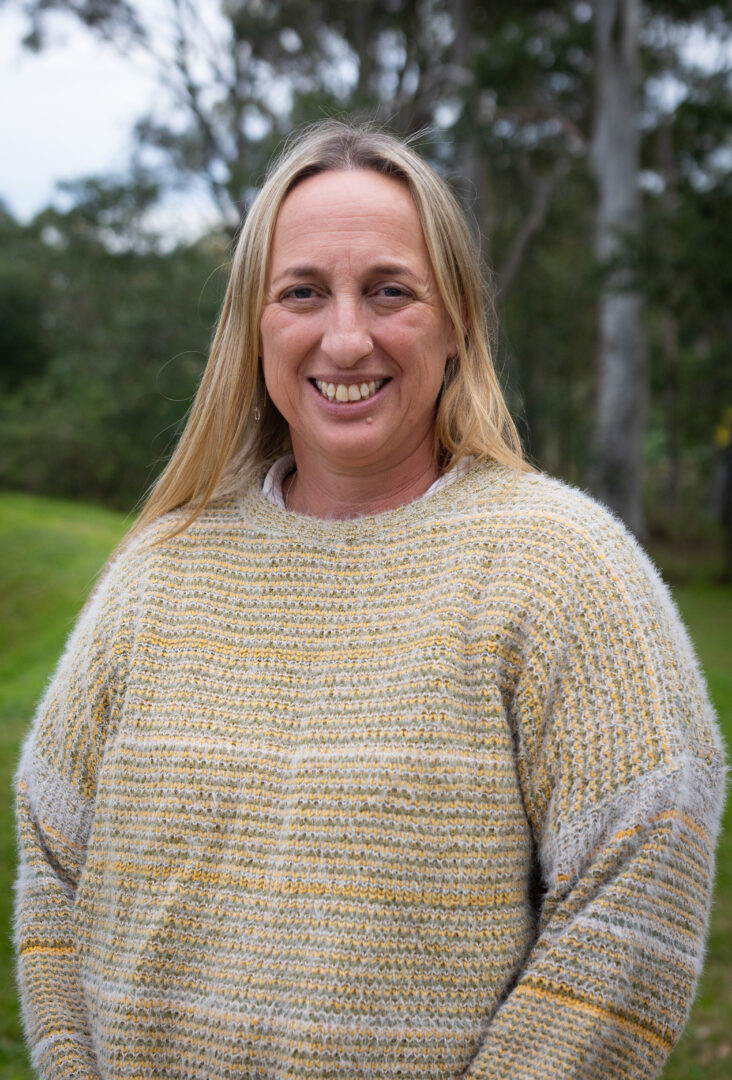
Acting Family Preservation Manager, Wandiyali
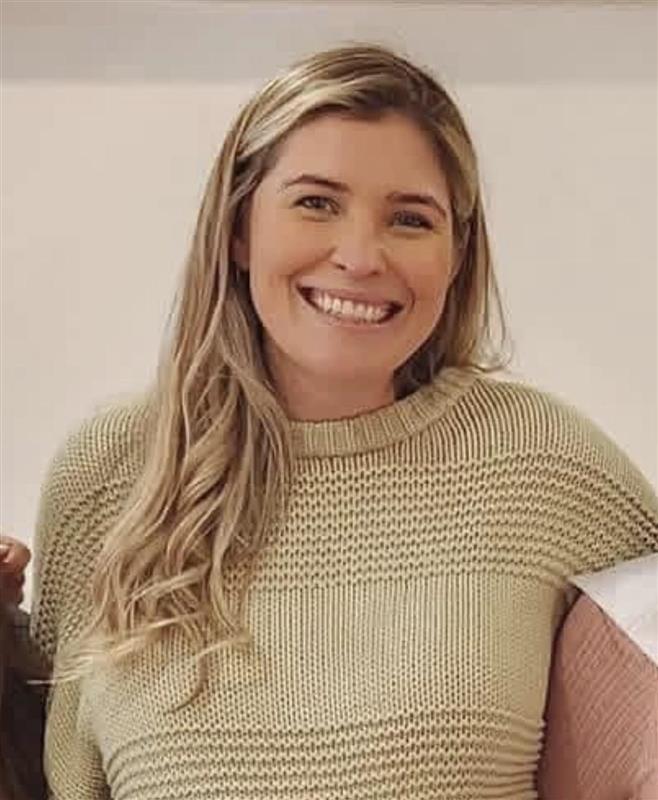
Out-of-Home Care Case Worker, Allambi Care
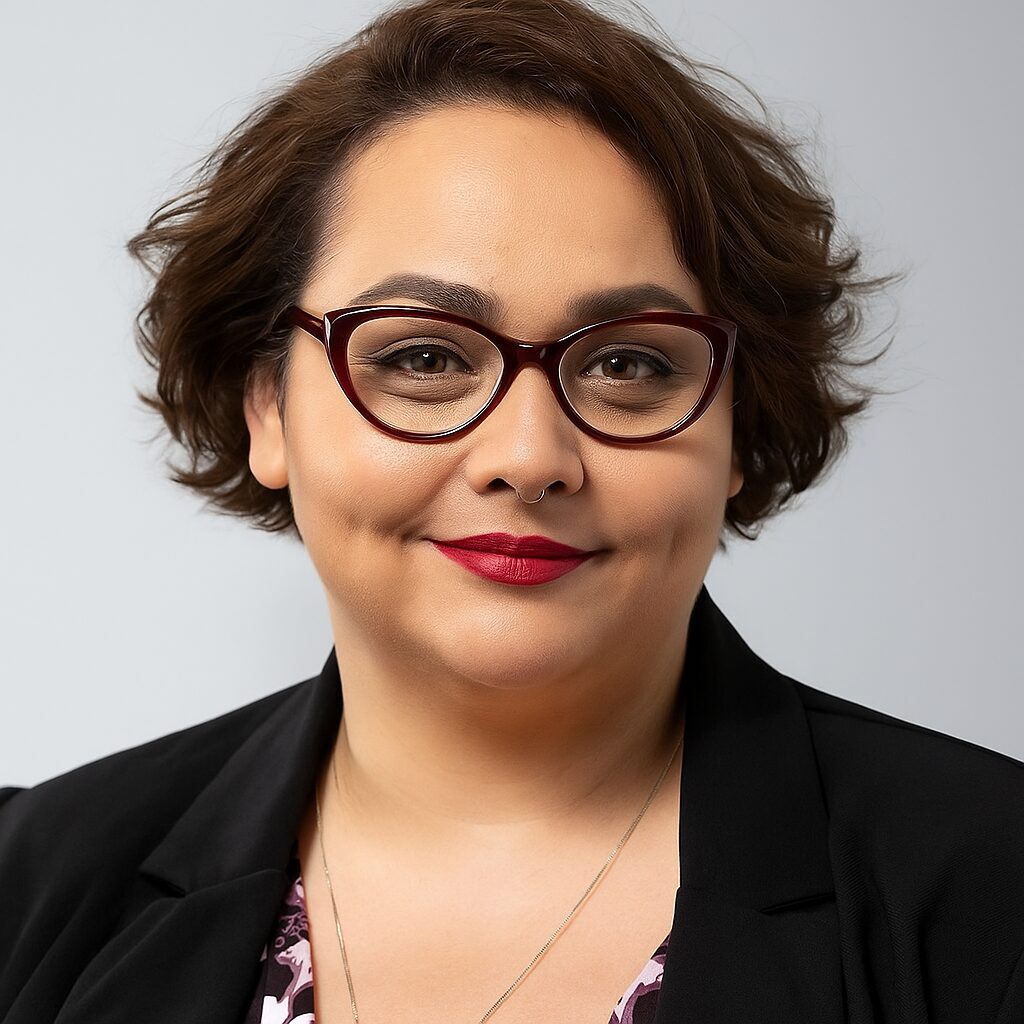
Principal Solicitor, Closing the Gap
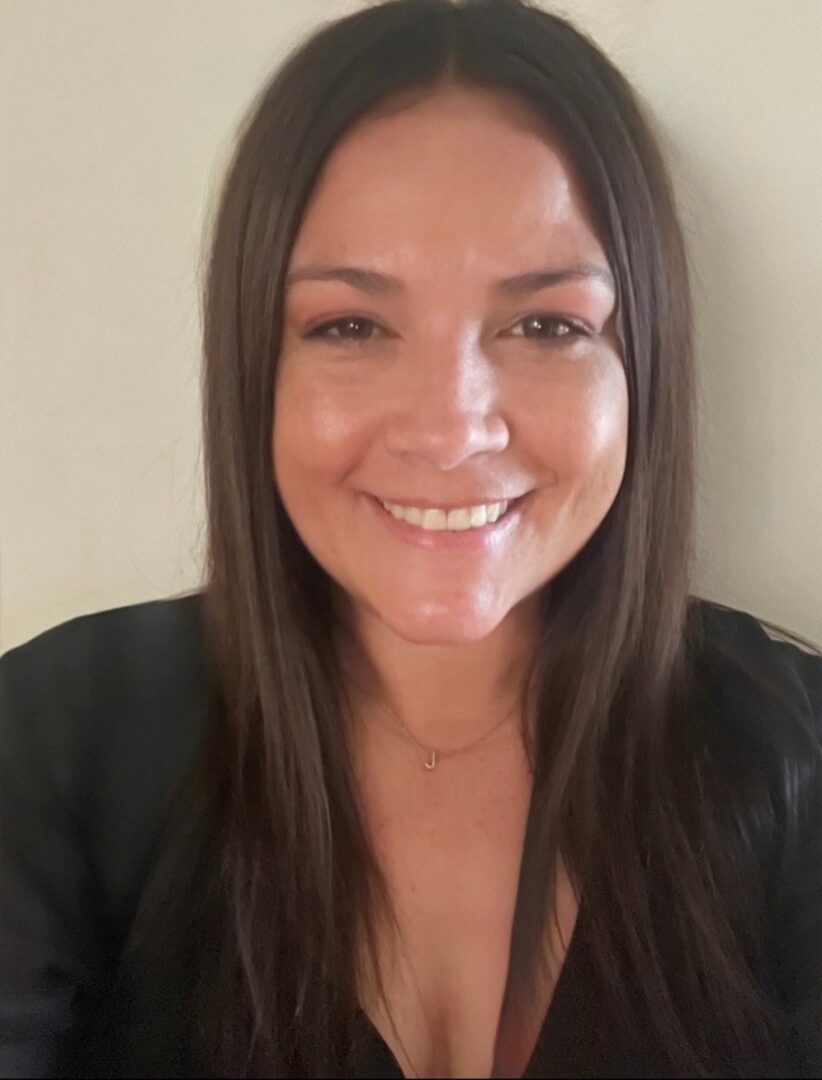
PhD Candidate
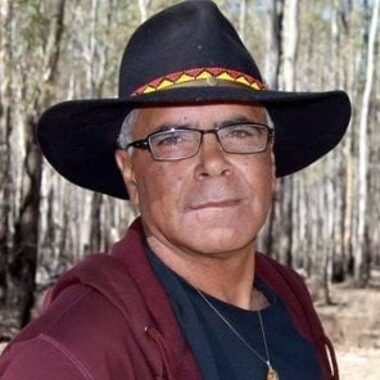
Aboriginal Leader
Select a date
9:00 am
Welcome To Country
Uncle Bill
Welcome to Country, presented by Uncle Bill
Opening Performance
Yapun.Yapun Biingay (Wauchope Brothers )
Yapun.Yapun Biingay is an Aboriginal boys dance group from Wauchope High School (Years 7–12), led by community dancer Jamie Donovan, who have been sharing their culture through dance since kindergarten and are excited to open the day with a performance.
Opening Address: John Leha, AbSec CEO
John Leha, AbSec CEO
10 Minute Break
9:40 am
Opening Plenary by Commissioner Sue-Anne Hunter
Sue-Anne Hunter
Commissioner Hunter’s keynote will draw on her deep experience advocating the rights of Aboriginal and Torres Strait Islander children, young people and families — and will set the direction for everything that follows across the three days.
10:40 am: Morning tea
11:00 am
Reclaiming Child Protection Decision Making in Australia
Candice Butler
Aboriginal and Torres Strait Islander children and young people are over-represented in child protection systems across Australia. Significant transformation of child and family systems is needed to address the ongoing, and growing, over-representation of Aboriginal and Torres Strait Islander children in out-of-home care, and to deliver timely, culturally grounded support so that all Aboriginal and Torres Strait Islander children can thrive.
How the Department of Social Services are Shaping the Future of the Community Services Sector
Gina Andrews Zucker, A/g NSW/ACT State Manager and James Steen, Branch Manager Department of Social Services
Join the Department of Social Services for a discussion on key policy, funding and service delivery developments that are shaping the future of the community services sector. This session will explore emerging reform priorities, opportunities for collaboration, and approaches to strengthening outcomes for Aboriginal children, families and communities through partnership and shared leadership.
Strong Families Our Way – ACCM Presentation
Strong Families Our Way
Aboriginal Community-Controlled Mechanisms (ACCMs) give Aboriginal & Torres Strait Islander communities a stronger voice in decisions affecting Aboriginal children, young people and families. This session explores what ACCMs are, why community control matters, and how they strengthen local decision-making and accountability. Delegates will hear how ACCMs bring community knowledge, cultural authority and lived experience to the table — creating a space for open discussion, shared learning and locally led solutions. At their heart, ACCMs are about community having a genuine say in the systems and decisions that affect our children and families.
Carers Yarn
Shanelle Beazley, The Benevolent Society
Come and yarn with fellow carers in a space grounded in connection, respect, and shared learning. This session recognises the vital role carers play in keeping children connected to family, culture, and community. Together, we will share stories, celebrate successes, discuss challenges, and strengthen relationships that support the wellbeing of Aboriginal children and young people. This is an opportunity for carers to have their voices heard, build networks, and contribute to conversations that shape better outcomes for children and families.
10 Minute Break
11:50 am
Lessons from the Ground Up: One Year of One Mob Connection
One Mob Connection
One Mob Connection is an Aboriginal Community Controlled Mechanism based in Wagga Wagga, supporting local families and community through a self-determined, community-led model. In this session, One Mob Connection reflects on its first year — what’s been built, what’s been learned, and what community-controlled support looks like when it’s been given the time to take root.
The Survivance of Indigenous Motherhood: The Experiences of Indigenous Mothers Who Have Lost Their Children to Colonial Abduction
Miimi Morris
Drawing on her own lived experience and PhD research conducted with a NSW ACCO, Gomeroi and Dungutti researcher and social worker, Miimi Morris presents findings on the experiences of Aboriginal mothers losing children to colonial child protection systems, offering a Family Sovereignty Model rooted in Indigenous governance, kinship authority, and self-determination as a pathway to ending ongoing theft of Aboriginal children and the erasure of Aboriginal motherhood.
Lynda-June Coe (NSW Greens)
Lynda-June Coe (NSW Greens)
Lynda-June Coe is a proud Wiradjuri and Badulaig woman, activist, academic and PhD candidate from Erambie, Cowra, born into a family of Wiradjuri trailblazers and warriors. She co-founded the Wiradjuri Buyaa (Law) Council in 2018 and has spent over two decades organising national campaigns for Indigenous justice and self-determination. Lynda-June is a NSW Greens candidate for the 2027 Legislative Council election.
12:30 pm: Lunch
1:30 pm
Know Your Rights
Family Inclusion Strategies in the Hunter, Waminda, AbSec & UNSW
This presentation provides a brief overview of what the KYR resource where it came from and why it was developed. Organisations and advocates will share how they are using this with staff and families.
First Nations Pathways - working together to support seamless lifelong learning and workforce development through VET and higher education
Heather McGregor and Liza Moscatelli, Charles Sturt University & AbSec Learning and Development Centre
This session brings together Charles Sturt University and AbSec to explore culturally informed pathways connecting VET qualifications, higher education and student success services for First Nations learners. Drawing on leadership in First Nations strategy and social work practice grounded in social justice and decolonising principles, presenters will outline how partnership between Charles Sturt, AbSec and ACCOs is supporting seamless lifelong learning and workforce development.
Warranga Baawaa (Strong Sister)
Keely-Che Cain & Tahlia Fischer
Warranggal Baawaa is an Aboriginal-led, culturally grounded initiative co-founded by Keely-Che Cain -Che Cain and Tahlia Fischer, supporting Aboriginal girls and young women to strengthen confidence, identity, leadership and wellbeing. Rooted in community, culture and connection to Country, our programs create culturally safe, empowering spaces for growth and belonging.
10 Minute Break
2:20 pm
State of the ACCO Sector - Child Protection and Out of Home Care Report
Shiny Varghese
AbSec’s State of the Sector report offers a comprehensive picture to date of the Aboriginal community-controlled child and family sector in NSW — who we are, what we do, and what we need to thrive. In this session, AbSec presents key findings from the report, including workforce, funding, and service delivery trends across the sector, and what the data tells us about the conditions needed for ACCOs to deliver self-determined, culturally safe support to Aboriginal and Torres Strait Islander children, young people, families, and communities.
Child Protection Assessment Partnership
Fiona Small (DCJ), Bianca Jarrett (DCJ), Zoe De Re (ALS), Sherry-Ann Toomey (AbSec)
The Child Protection Assessment Project aims to create a transparent and accountable child protection system that works with children and families to assess and respond to their needs, by working with them and their communities, building on their strengths, while addressing the key legislative decision-making points to keep children safe, well and connected. Panellists share their perspectives from across the partnership, examining how cross-agency collaboration is working in practice and what it means for Aboriginal families navigating assessments, investigation and decision making.
Finding Joy and Feeling Heartache: Reimagining Power to Measure What Matters in Out-of-Home-Care
Monica McKenzie
Monica McKenzie is a Dharawal and Yuin mother, researcher, Indigenous evaluator, and systems change practitioner committed to reimagining how we understand accountability, evidence, and transformation. Drawing on her leadership of a Paul Ramsay Foundation Fellowship exploring Indigenous, youth-led accountability, alongside her lived and professional expertise, Monica invites participants to critically reflect on the relationship between power, care, and the ways we define success within the systems that shape people’s lives.
What if Someone Had Asked About Dad? Applying the Safe & Together Model to My Family
Jackie Wruck
Jackie Wruck draws on lived experience to illuminate what happens when child protection systems focus on mothers while fathers who use violence remain invisible. Through her family’s story, she explores how the Safe & Together model could have validated their mother’s strengths — and what it takes to ask the right questions, target the right supports, and break the cycle of violence before harm compounds across generations.
3:00 pm: Afternoon Tea
3:30 pm
Youth Policy Priorities
Mounty Aboriginal Youth and Community Services
Young People from Mounty Aboriginal Youth and Community Services (MAYCS) are the voices closing out Day 1. These young Aboriginal people recently led AbSec and MAYCS’s May Quarterly youth-led sector forum — coming together to define their own priorities for the child and family sector. In this plenary panel, they share what they found, what they want, and their vision for a sector that truly works for Aboriginal young people and their families.
5:00 pm
Welcome Drinks & Canapes
An assortment of welcome drinks and canapes.
7:00 pm: Close of Day One
9:00 am
Acknowledgement of Country
10 Minute Break
9:40 am
Victoria Aboriginal Child and Community Agency (VACCA), Queensland Aboriginal and Torres Strait Islander Child Protection Peak (QATSICPP), Tasmanian Aboriginal Centre (TAC)
Aunty Muriel Bamblett (CEO, VACCA), Phillip Brooks (CEO, QATSICPP) and Wendy Moore (Community Manager, TAC)
Leaders from three peak Aboriginal and Torres Strait Islander organisations share their experiences of delegated authority.
10:40 am: Morning tea
11:00 am
Fish Trap Theory: First Nations Governance as Relational Law
Aunty Debra Swan, Barry McGrady, Dr. James Beaufils
Fish trap theory frames First Nations governance as relational law grounded in balance, flow, and sustainability. Like woven and stone traps, systems should guide, hold, and release rather than capture. It contrasts Indigenous observation with colonial surveillance, advocating justice through care, continuity, kinship, and regeneration rather than control, extraction, and punishment.
Rivmed's Approach to Aftercare
Riverina Medical and Dental Aboriginal Corporation
Riverina Medical and Dental Aboriginal Corporation (Rivmed) presents their aftercare program — sharing how their community-controlled model supports Aboriginal people and families beyond initial service contact. This workshop offers insights into Rivmed’s approach, with practical learnings for ACCOs and sector partners looking to strengthen aftercare in their own communities.
Outcomes from Trauma-Based Therapy for Aboriginal and Torres Strait Islander Children in Out-of-Home Care
Debbie Haynes, Jessica Warren, Carly Hockey, DCJ LINKS Trauma Healing Service
This presentation examines how NSW’s Psychological and Specialist Service is transforming its clinical practice through the Social and Emotional Wellbeing Framework and Aboriginal-led Walking in Blak Traks training, embedding culturally responsive, trauma-informed approaches that centre connection to kin, culture, and Country as core pathways to healing for Aboriginal children in out-of-home care.
Culture in Practice
AbSec Learning and Development Centre
Culture in Practice has been developed by AbSec’s Learning and Development Centre (LDC) in response to Family is Culture Recommendation 82, supporting practitioners, leaders, and organisations to strengthen cultural capability and accountability across the child and family service sector. Join us in a session for a taster of this training, offering an introduction to the practical knowledge, legislative foundations, and culturally responsive approaches that underpin culturally safe practice with Aboriginal children, families, and communities.
10 Minute Break
11:50 am
Charter of Lifelong Recordkeeping Rights for Children in Care and Care Leavers: Upholding Participation, Identity, Culture and Accountability
Dr. Rebecca Lyons, Emerita Professor Sue McKemmish, Barbara Reed, Dr. Nina Lewis, Uncle Shane Charles & Jaimie-Lea Lyons
This workshop introduces the Charter of Lifelong Recordkeeping Rights, exploring its significance for Aboriginal children, young people, Care Leavers, and the Stolen Generations — making the case that records are not merely administrative but central to identity, cultural connection, healing, and accountability, and inviting participants to workshop how rights-based, culturally respectful recordkeeping can support self-determination and long-term wellbeing.
Kinchela Boys Home Aboriginal Corporation
Kinchela Boys Home Aboriginal Corporation
Kinchela Boys Home Aboriginal Corporation (KBHAC) is a not-for-profit Aboriginal community controlled organisation which was established by survivors of Kinchela Boys Home (KBH) to help restore and reconstruct the identity, dignity and integrity of survivors, and to address the intergenerational trauma that adversely impacts on the lives of their families and descendants.
12:30 pm: Lunch
1:30 pm
AbSec Data Dashboard Workshop
Eamon Brodie
Explore AbSec’s work redesigning DCJ’s child protection data dashboard to create a more accessible, useful and valuable tool to support evidence-based decision-making and drive better outcomes for Aboriginal children, families, communities and ACCOs.
Launch: AbSec Leaving Care Hub
Carlee Maccoll
AbSec has created the Leaving Care Hub to help young Aboriginal and Torres Strait Islander people prepare for leaving care, understand their rights, access housing, financial support and support services, and stay connected to culture, family and community.
Nugel – Community Protecting Boorais: Rethinking 'Investigations' and Transforming the Landscape of Child Protection
Beth Uhe and Necia Stanton
This presentation showcases how VACCA and BDAC are driving systemic reform in Victoria through Community Protecting Boorais — an Aboriginal-led response that shifts delegated child protection authority from government to ACCOs, reframing “investigations” through Aboriginal ways of knowing and doing, and restoring communities’ long-held right to protect and grow up their own boorais.
10 Minute Break
2:20 pm
Latrobe Valley Koorie Partnership: Place-based collaboration in the context of a government led initiative
Madeline Hardess and Christine Deslandes
This presentation from the Victorian Aboriginal Child and Community Agency (VACCA) shares lessons from the scoping and design phase of Victoria’s Latrobe Valley Koorie Partnership — one of six national place-based partnerships under the Closing the Gap agreement targeting a 45% reduction in Aboriginal children in out-of-home care. Reflecting on evaluation findings, we will explore three themes across the presentation: the impact of governance, the design defines the conversation, the paradigm shift of shared decision making, and partnership and scoping, the chicken or the egg.
Equipping Community: Understanding Active Efforts and DCJ's Legislative Requirements
Kristy Tansey (ALS)
The Aboriginal Legal Service presents on equipping community members and the sector with information and awareness about Active Efforts — a legislative requirement introduced following the Family is Culture report that places a legal obligation on DCJ to do everything possible to prevent Aboriginal children entering or remaining in out-of-home care, and how it can be used to strengthen family voices and hold DCJ accountable.
Culture in Practice
AbSec Learning and Development Centre
Culture in Practice has been developed by AbSec’s Learning and Development Centre (LDC) in response to Family is Culture Recommendation 82, supporting practitioners, leaders, and organisations to strengthen cultural capability and accountability across the child and family service sector. Join us in a session for a taster of this training, offering an introduction to the practical knowledge, legislative foundations, and culturally responsive approaches that underpin culturally safe practice with Aboriginal children, families, and communities.
3:00 pm: Afternoon Tea
3:15 pm
Intergenerational Trauma in NSW Aboriginal Child Protection Policy: A History
Associate Prof. BJ Newton & Jodie Kidd
This presentation traces the evolution of thinking and practice in NSW child protection policy directed at Aboriginal and Torres Strait Islander families from the 1930s to 2020, revealing how colonial logics have been repeatedly reformed rather than dismantled, and offering points of intervention for holding policymakers to account and reshaping policy toward genuine Aboriginal-led governance.
National priorities and Highlighting Successes
Aunty Muriel Bamblett (CEO, VACCA)
This presentation traces the evolution of thinking and practice in NSW child protection policy directed at Aboriginal and Torres Strait Islander families from the 1930s to 2020, revealing how colonial logics have been repeatedly reformed rather than dismantled, and offering points of intervention for holding policymakers to account and reshaping policy toward genuine Aboriginal-led governance.
Community Leads the Way: Aboriginal-led Commissioning in Action
Wiradjuri Condobolin Corporation (WCC), Gummyaney Aboriginal Community Group, AbSec
On Wiradjuri Country in Western NSW, AbSec and the Wiradjuri Condobolin Corporation (WCC) have launched two landmark initiatives: a new Aboriginal Community-Controlled Mechanism (ACCM) and Aboriginal-led Commissioning (ALC) services in Condobolin. With Grafton as the second pilot site, this session shares what it takes to make Aboriginal-led commissioning real — from the community conversations and yarning sessions that shaped local priorities, to the governance structures that ensure Aboriginal women, Elders and families hold the authority to drive solutions for their own children and communities.
6:30 pm: Gala Dinner
6:30 pm
Gala Dinner & Awards Night
Registration Opens & Welcome Drinks
Registration opens at 6:30 PM. Guests are welcomed with drinks upon arrival, allowing time for networking.
7:00 pm
Welcome to Country
7:10 pm
Opening Address by John Leha, AbSec CEO
7:30 pm
Entrees and Performance by Luca Saunders
7:50 pm
Comedian: Kevin Kropinyeri
Bio
8:00 pm
Award Presentations
Bio
8:30 pm
Mains
9:00 pm
Performance
9:30 pm
DJ and Dessert
9:00 am
Acknowledgement of Country
10 Minute Break
9:40 am
Opening Plenary: Associate Prof. BJ Newton
Associate Prof. BJ Newton
A/Prof Newton presents Aboriginal-led evidence on out-of-home care placements and restoration outcomes drawn from the Bring them home, Keep them home research from the UNSW Social Policy Research Centre. This is some of the most significant data our sector has seen on restoration — produced by Aboriginal researchers, for our communities.
10:40 am: Morning tea
11:00 am
Local Justice Plans: the Future of Shared Decision-making for Communities
Gemma McKinnon, Theresa Lake, Madeleine Thorpe
The Aboriginal Legal Service presents on the Aboriginal Justice Partnership project — a Closing the Gap initiative — exploring how Local Justice Plans are being co-developed with local ACCOs and key justice stakeholders as community-led mechanisms to address justice issues, and what this model of shared decision-making means for Aboriginal children, families, and communities in NSW.
Coming Home: Waminda's Nabu Program
Angie Lonesborough & Jahnarki Moran
Nabu is Waminda’s Aboriginal-designed and led family preservation and restoration program, offering intensive support to Aboriginal families engaged with or at risk of entering the NSW child protection system. Nabu aims to keep Aboriginal children and young people with their families — and where children have been placed in care, to support their safe return home. Grounded in the Waminda Model of Care and Balaang Healing Framework, the program places culture and community at its foundation, walking alongside families and advocating for the systemic change needed to make restoration possible. This presentation shines a light on the family-led restoration aspect of the program.
Systemic barriers in child protection for Aboriginal and Torres Strait Islander families
A/Prof BJ Newton & Sophie Pitt
Drawing on 36 interviews from the Aboriginal-led Bring Them Home, Keep Them Home project, this session examines why Aboriginal and Torres Strait Islander children are not being restored from out-of-home care in NSW — exposing a critical divide between ACCOs, who identify systemic racism and resource failure, and non-Indigenous agencies that focus on parental deficits. The session makes the case for systemic upheaval that centres self-determination and dismantles the Western-centric structures that continue to justify family separation.
10 Minute Break
11:50 am
Building Bridges Through Shared Practice: A Collaborative Journey Between Allambi Care and Wandiyali
Barry McGrady, Kylie Mason, Sarah Rubie, Tahlee Gallagher & Aunty Deb Swan
This session explores the collaborative relationship between Allambi Care, a non-Indigenous organisation, and Wandiyali, a Newcastle-based ACCO — sharing practical learnings on how trust, cultural respect, and shared commitment to family-led, community-driven decision-making have enabled meaningful partnership to achieve better outcomes for Aboriginal children, young people, and families across foster care, domestic violence, and homelessness support services.
Does Compliance Make a Difference? The Aboriginal Child and Young Person Placement Principle, Cultural Connection, and Stability for Aboriginal and/or Torres Strait Islander Children in Care
Dr. Wendy Hermeston & Prof. Terri Libesman
Drawing on longitudinal data from the NSW Pathways of Care Longitudinal Study, this session presents evidence that Aboriginal children placed with relatives or kin experience greater placement stability and stronger social, emotional, and cultural wellbeing over time — while surfacing an unexpected finding around family contact that challenges assumptions and opens important questions for practice, policy, and system accountability.
Culture in Practice
AbSec Learning and Development Centre
Culture in Practice has been developed by AbSec’s Learning and Development Centre (LDC) in response to Family is Culture Recommendation 82, supporting practitioners, leaders, and organisations to strengthen cultural capability and accountability across the child and family service sector. Join us in a session for a taster of this training, offering an introduction to the practical knowledge, legislative foundations, and culturally responsive approaches that underpin culturally safe practice with Aboriginal children, families, and communities.
12:30 pm: Lunch
1:30 pm
Showcasing Western Sydney Local Health District’s Whole Family Team
Gemma Carter & Natalie Morrison
This presentation will showcase the work of the Whole Family Team WSLHD, an integrated mental health, alcohol and other drugs, and family therapy service supporting Aboriginal families experiencing complex and intergenerational challenges. Through practice examples and reflections, we will explore how culturally responsive, trauma-informed, whole-of-family interventions can strengthen family functioning, improve engagement, reduce risk factors affecting children, and support families in creating and sustaining meaningful change.
Judicial Application of the 'Realistic Possibility of Restoration' Test in Care and Protection Proceedings in the Children's Court of New South Wales
Meredith McClaine
This session presents PhD research examining how the “realistic possibility of restoration” test is applied in Care and Protection proceedings in the NSW Children’s Court. Drawing on 106 judgements in restoration hearings, as well as interviews with magistrates, caseworkers and lawyers, the findings explore how the Court can better support parent engagement and actively monitor children’s welfare during proceedings — and consider more fundamental shifts toward inquisitorial or therapeutic court models. The session also examines how the research aligns with recent legislative and policy reforms, including those flowing from the landmark Family is Culture report.
From Transition to Transformation: Supporting Aboriginal-Led Reform Across the ACCO Sector and for Aboriginal Children, Families and Communities
Nadia Currie & Sid Williams
This presentation shares an Aboriginal-led story of sector transformation grounded in culture, Country, and self-determination — centring the Sector Transformation Principles Framework and the work of the Nations Transition Subcommittee and Working Group — and drawing on practical learnings from transition projects with Life Without Barriers and Brotherhood of St Laurence to explore what it means for mainstream organisations to relinquish control, commit to truth-telling, and become genuinely accountable to Aboriginal children, families, and communities.
Culture in Practice
AbSec Learning and Development Centre
Culture in Practice has been developed by AbSec’s Learning and Development Centre (LDC) in response to Family is Culture Recommendation 82, supporting practitioners, leaders, and organisations to strengthen cultural capability and accountability across the child and family service sector. Join us in a session for a taster of this training, offering an introduction to the practical knowledge, legislative foundations, and culturally responsive approaches that underpin culturally safe practice with Aboriginal children, families, and communities.
10 Minute Break
2:20 pm
Afternoon Plenary: Wee-ya Win-na Information Session
Sonnie Ridgeway and Petrice Manton (AbSec Board Member), Muloobinba Aboriginal Corporation
Wee-ya Win-na is a community-led, culturally safe support mechanism made up of local Aboriginal community representatives who work alongside Aboriginal families in Newcastle and the Hunter to identify early support needs, reduce child protection risks, and connect families with the right services before concerns escalate. In this session, Sonnie Ridgeway shares the purpose, process and practice behind Wee-ya Win-na — how referrals are made, how families are supported to yarn in a no-judgement space, and how community representatives walk alongside them to choose the supports that fit.
3:00 pm
Closing: John Leha, AbSec CEO
Our program is enriched with performances by a diverse group of Aboriginal and Torres Strait Islander artists, each bringing unique stories, traditions, and cultural expressions to the stage. These performances not only celebrate cultural resilience and creativity but also invite us all into a space of reflection, connection, and appreciation for the traditions that continue to inspire and unite our communities.


Sue-Anne Hunter is the National Commissioner for Aboriginal and Torres Strait Islander Children and Young People and a Wurundjeri and Ngurai Illum Wurrung woman.
Phillip is a descendant of the Bidjara Tribe (Great Grandfather), the Kairi Tribe (Great Grandmother) and the Ducabrook Clan located at Springsure, Central Queensland.
As Chief Executive Officer of the Queensland Aboriginal and Torres Strait Islander Child Protection Peak (QATSICPP), Phillip leads the state’s independent peak body for the Aboriginal and Torres Strait Islander community-controlled child protection and family support sector. QATSICPP is also the Youth Justice Peak body for Queensland, representing the broader youth justice sector.
Through strong partnerships, sector capacity building and systems reform, Phillip drives efforts to foster effective collaborations and influence policies, strategies and programs to advance QATSICPP’s vision that all Aboriginal and Torres Strait Islander children are safe, cared for and supported to thrive within their families, cultures and communities.
Phillip most recently held the position of Deputy Director-General of Corporate Services and First Nations Strategy and Partnerships and where he was responsible for overseeing the human resources, finance, procurement and facilities, legal services and internal audit functions for the department, along with improving education outcomes for Aboriginal students and Torres Strait Islander students.
Phillip was previously Deputy Director-General and Chief Operating Officer of Service Delivery, Youth Justice in the Queensland Department of Children, Youth Justice and Multicultural Affairs, and a former Commissioner at the Queensland Family and Child Commission.
Phillip’s distinguished career in child, youth and family support in Queensland also includes roles as Officer in Charge Queensland Police Service, Manager of Child Safety and Youth Justice Service Centres, Director Government Coordination, Executive Director Strategy, and Regional Director Child Family and Community Services in North Queensland.
Phillip completed the Executive Master of Public Administration with the Australia and New Zealand School of Government in 2020.
Associate Professor at the Social Policy Research Centre, UNSW Sydney.
Dr BJ Newton is a proud Wiradjuri woman and mother to three young children. BJ’s research focuses on working in partnership with Aboriginal organisations to build evidence and support Aboriginal families interfacing with child protection systems. Her current research, Bring them home, keep them home investigates the rates, outcomes and experiences of successful and sustainable restoration for Aboriginal children in out-of-home care. This research is making significant impact across the child protection sector, facilitating truth telling, advocacy, and Aboriginal community-determined initiatives including the Aboriginal Authority for Restoring Children (AARC).
Debbie is a proud Gamilaraay yinarr, with maternal ancestry from the Bull, Colebull, and Balding families, and paternal connections to the Haynes, Lawrie, and Coleman families across Wirangu, Mirning, and Yuwaalaraay Country. Her work in psychology, psychotherapy, and trauma is grounded within her early beginnings of learning about advocacy and knowledges of community and family strengths. Debbie holds an Honours and Master of Clinical Psychology, registration with Gestalt Australia New Zealand, Australian Indigenous Psychology Association and College of Indigenous Healing Practices and is a registered Clinical Psychotherapist with PACFA. Deb is undertaking her PhD at Melbourne University, evaluating the “Walking in Blak Traks; Embedding the SEWB into Clinical Practices” cultural training, which she co-developed and delivered across NSW Department of Communities and Justice, Psychological and Specialist Services.
Her first publication, “The Effectiveness of Trauma-Based Therapies for Aboriginal and non-Aboriginal Children in Out-of-Home Care,” was published in the Lowitja Journal in May 2025. Deb advocates for the power of community-led healing and the urgency of truth-telling. Her work is a collaborative effort to create a future where our children’s voices are heard, valued, and protected.
Through her PhD efforts, she is committed to fostering meaningful change for young people, families, and communities impacted by family policing system. Her focus is on prioritising Indigenous models of wellness to support the development of strong cultural identities and enhance social and emotional wellbeing. Central to this commitment is strengthening a sense of belonging to Country and strongly advocating for the understanding of Aboriginal and Torres Strait Islander ways of knowing, being and doing which allow community to self-determine and flourish.
Grounded by her beginnings, she is committed to transformative approaches that support Aboriginal and Torres Strait Islander communities, centring Social and Emotional Wellbeing frameworks of self-determination, and collective flourishing.
My name is Miimi Morris I am a Gomeroi and Dungutti mother of five and a social work PhD student with RMIT University Melbourne. I am a survivor of colonial child removal and my children too are victims of the same system. My lived experience spans a lifetime of systemic impacts of child abduction and has involved 15 years of advocacy in confronting DCJ and non-Indigenous out of home care agencies in relation to the impacts of systemic violence upon my own Aboriginal motherhood, my own children, family and our culture knowing, being and doing and advocating for self-determination, authority and abolition.
I have lived, studied, worked and resisted colonisation on Awabakal Country for the past 30 years. My social work career spans 27 years of practice in various Aboriginal communities throughout nsw and remote communities in the remote Kimberleys and North East Arnhem land. I have worked across issues of domestic violence, drug and alcohol addiction, mental health, counselling in collective colonial trauma and in child protection spaces. My career has also involved working for victims of crime for NSW Justice as a counsellor in Frank Baxter Juvenile Justice Centre and as a private practitioner counselling women facing the impacts of violent crime.
My PhD thesis asked the question “What are the experiences of Aboriginal mothers who lose their children to colonial abduction?” I am nearing completion of my research thesis and will continue this work as an Indigenous researcher committed to the work of abolition and sovereignty for our families to raise our own children within our kinship systems guided by Indigenous governance prinicples.
Candice Butler is a proud Aboriginal woman with strong family connections to Yarrabah in Far North Queensland and is a Social Worker with over 20 years’ experience working across government and Aboriginal and Torres Strait Islander affairs. Prior to her current role as PhD Candidate and research fellow with the Child Protection Hub at the Jumbunna Institute of the University of Technology Sydney, Candice was the inaugural Executive Director of the Centre of Excellence at the Queensland Aboriginal and Torres Strait Islander Child Protection Peak Ltd (QATSICPP), where she provided significant leadership in the design, delivery, management, and evaluation of projects to improve child and family wellbeing across Queensland. This included co-author of research and leading of the evaluation and action research agenda.
Candice’s PhD research is looking at what the key elements of a model to reclaim child and family services for Aboriginal and Torres Strait Islander communities looks like in Australia. She is passionate about ensuring Aboriginal and Torres Strait Islander peoples have true self-determination and authority over decisions that are made about their lives particularly in the area of Child Protection.
Wendy is a proud Palawa woman from Lutruwita / Tasmania, with family connections to the Furneaux Islands, specifically Cape Barren and Flinders Island. A qualified social worker with two decades’ experience working with Tasmanian children and families. Wendy is director of SNAICC and member of the national Safe and Supported Aboriginal Leadership Group.
She has also completed international study tours in USA in 2017 investigating First Nations culture and community-based initiatives, as well as participating in key Australian networks to support and strengthen the rights of Tasmanian Aboriginal children and families.
In 2023, Wendy managed the development of the first Tasmanian Aboriginal co-designed model and strategy to keep Aboriginal children living in Tasmania safe at home – out of welfare. The project was successfully launched in July 2025. The project has been hailed as a significant piece of work that will help ACCO and government to keep Aboriginal children safe in Tasmania
Dr James Beaufils is a Mulwaree Gundungurra and Kanak Senior Research Fellow. His research works across Indigenous justice, child protection, youth justice, education, criminology and systems reform. Drawing on his professional background in corrections, education and policy, he examines how institutions shape the lives of children, families and communities, and how research can support practical change. His work brings together community engagement, critical policy analysis and applied evaluation to challenge carceral approaches and strengthen culturally grounded alternatives in justice, care and education systems.
Jackie Wruck is a proud Yindinji woman from FNQ, Cairns/Yarrabah region. She is the Asia Pacific Regional Manager for Safe & Together Institute here in Australia.
She has extensive experience in the government and non-governmental agencies by working in Child Protection, DFV counselling, Indigenous and Queensland health, family wellbeing services as well as community housing and homelessness services.
As a child/adult survivor she uses her lived experience of both lateral and intimate partner violence to help others understand the added complexities when working with families who experience DFV alongside racism and other inequalities.
Jackie is a Safe & Together Certified Trainer and has been mentoring and coaching other professionals in its use. She’s been involved with numerous research projects involving the Safe & Together Model and has been an invited speaker on DFV, the Safe & Together Model and working with Aboriginal and Torres Strait Islander families in a culturally safe way across various regions in Australia.
Jodie recently completed her PhD at the Social Policy Research Centre, UNSW. Her research investigated the systems of thought and practice underpinning contemporary NSW child protection work with Aboriginal families; through a case study of the problematisation of intergenerational trauma in NSW child protection policy directed at Aboriginal and Torres Strait Islander families. Prior to commencing her PhD, Jodie spent over 10 years in government and non-government youth and family services, including juvenile justice, child protection, and alternative education services. Jodie has also completed degrees in psychology, community development, and media and communications.
Dr Christine Deslandes is Senior Project Officer at the Victorian Aboriginal Child and Community Agency. Christine’s work focuses on a range of areas including building Aboriginal evidence to support program delivery and design. She is passionate about working with Community to capture what is important to them, and the benefits and importance of Aboriginal-led services.
CEO, Victorian Aboriginal Child and Community Agency.
Aunty Muriel Bamblett is proud a Yorta Yorta and Dja Dja Wurrung woman who has been employed as the CEO of the Victorian Aboriginal Child and Community Agency since 1999. Aunty Muriel is active on many boards and committees concerning children, families and the Indigenous community, including Chairperson of the Secretariat of National Aboriginal and Islander Child Care (SNAICC), the peak Australian agency for Indigenous child and family services; the Aboriginal Children’s Forum; the Aboriginal Justice Forum; the Coalition of Peaks Joint Council on Closing the Gap and is on the Elders Group for the First Peoples Assembly of Victoria.
Aunty Muriel’s contribution to her community and to Victoria has been recognised in many awards and she was recently bestowed the 2024 National NAIDOC Award for Person of the Year.
Wendy Hermeston (PhD Law) is a Wiradjuri researcher and Senior Research Fellow at The ALIVE National Centre, University of Melbourne. Her career spans law and justice, social and emotional wellbeing, health and child and family sectors, including roles as a Link-Up (NSW) senior caseworker during and post the National Inquiry into the Separation of Aboriginal and Torres Strait Islander Children from Their Families, and on ACCO and government boards. Grounded in lived-experience, her research programme prioritises First Nations-led, evidence-based solutions to longstanding community challenges in the care jurisdiction. Dr. Hermeston’s work integrates qualitative, socio-legal and community-based knowledges and methodologies to examine Aboriginal and Torres Strait Islander child welfare and social and emotional wellbeing-related issues.
Madeline Hardess is an ally who lives on Boonwurrung Country between wetlands and the bay, an hour out of Melbourne. She invested more than a decade in oversight, analysis and evaluation of family services, and moving from an embedded evaluator in government to ACCO work life a year ago feels just right. Working alongside community, walking, listening and supporting is the best job. Over the decade Madeline has led statistical analysis for systemic inquiries at the Victorian Commission for Children and Young People including’ Always was, Always will be Koori Children’, ‘In our own words’, and ’…as a good parent would…’. Building on this early career foundation she developed as a Monitoring, Evaluation and Learning specialist for family services, leading and delivering the first evaluation of Victoria’s new leaving care reform package in 2023. Currently leading the Latrobe Valley Community Data Project, a priority reform four National Agreement on Closing the Gap project at VACCA, Madeline led the finalization of the business case submitted to Treasury and advised statewide advocacy efforts for design, funding and establishment. Reflecting on the scoping effort for the Place-based partnership and Community Data Project the evaluation revealed the need for shared obligations to partners, relationship first, and the need for empathy – understanding the lens and experience of another. Madeline is keen to yarn about partnerships between Community and Government, the application of Indigenous Data Sovereignty, chickens and sailing. So come find me and say hello.
I am a proud Gomeroi yinarr, social worker, and Co-Founder of Warranggal Baawaa, with a strong passion for creating spaces where Aboriginal girls and young women feel empowered, connected, and heard. My work is grounded in culture, community, and a deep commitment to ensuring our young people are seen beyond statistics, labels, and systems.
Across my career I have worked within Social Work, Community Services, Child Protection, Family Law, Aboriginal wellbeing, and Out-of-Home Care (OOHC), supporting children, young people, and families navigating complex systems and experiences. Through this work, I have witnessed both the strengths and resilience within our communities, as well as the barriers that can impact young people’s wellbeing, identity, and sense of belonging.
My passion sits in creating opportunities that strengthen culture, confidence, leadership, and self-determination for Aboriginal girls and young women. Through Warranggal Baawaa, I work alongside young people to create culturally safe spaces that centre their voices, celebrate who they are, and remind them of the strength they already carry. I believe that meaningful change happens when young people are given the opportunity to feel connected, supported, and empowered to lead in ways that are true to themselves and their communities.
I am committed to continuing this work through advocacy, mentoring, and community-led approaches that create lasting impact for future generations.
I am a proud Gomeroi and Yuin yinarr committed to the wellbeing, empowerment, and cultural safety of Aboriginal girls and young women. Working on Darkinjung and Awabakal Country, I bring both lived experience and professional knowledge to Warranggal Baawaa, grounded in a deep responsibility to culture, kin, and community.
My professional background spans Community Services, including Out-of-Home Care (OOHC) and Targeted Early Intervention (TEI), and Aboriginal Education, where I currently work to support young people in remaining connected to culture and community. Across these spaces, I have seen firsthand the power of culturally safe, strengths-based support in the lives of Aboriginal girls and young women, and the critical importance of early, community-led intervention.
My passion is centred around strengthening identity, connection to culture, and self-determination for Aboriginal girls and young women. Through Warranggal Baawaa, I aim to provide mentoring that is strengths-based, culturally responsive, and grounded in love, leadership, and community. As I continue my studies and professional practice, I am committed to expanding this work and creating meaningful, lasting change.
Barry McGrady is a proud Gomeroi man born and raised in Moree and Toomelah and moved to a boarding school at St Joseph’s College in Sydney to purse an higher education attainment. He has worker as the Aboriginal Community Liaison Officer with the Department of Education for 3 years then worked at behaviour school settings with Bridge Rd School to transition kids back to mainstream school settings for 6 years.
He has worked in the Out of home Care sector in NSW for the past 8 years with a non-government organisation Allambi Care. His experience has changed many hearts and minds within the sector through his motivation to get youth with family and community and educational support for staff to best engage and support Aboriginal children and families.
Aunty Debra Swan is an Gomeroi woman from Moree and a founding member of Grandmothers Against Removal (GMAR) NSW. She is a Mother, Grandmother and Great Grandmother, previously working in NSW child protection system for 13 years as a caseworker, and brings strong experience and knowledge of the child protection and its impacts on Aboriginal children and families to the Review. Aunty Debra, along with Suellyn Tighe and Jennifer Swan, was instrumental in developing guiding principles for strengthening local Aboriginal participation in child protection decision-making NSW and drawing attention to issues in child protection nationally.
Kristy is the Principal Solicitor for the care and protection and family law teams with the Aboriginal Legal Service (NSW/ACT). Kristy has dedicated her career to the child protection sector, having worked in various roles with the Department of Communities and Justice before commencing with the ALS in April 2024. Kristy is an accredited Independent Children’s Lawyer with the Family Court and Independent and Directly Legal Representative with the Children’s Court. Kristy currently leads a team of about 60 staff who fiercely advocate within the care and protection, family law and family violence jurisdictions with the united goal of improving outcomes for Aboriginal and Torres Strait Islander people, supporting them to remain connected to Kin, Culture and Country by empowering their voices. Kristy contributed to the development and implementation of the Winha-nga-nha list, which is a designated Children’s Court list for Aboriginal and Torres Strait Islander children, being piloted in Dubbo. Kristy lives and works on Bundjalung Country although has worked in many communities including Gamilaraay (Moree/Narrabri) and Birpai (Port Macquarie/Taree) and Dunghutti (Kempsey).
My Name is Angie Lonesborough. I’m the Co-Manager of the Nabu Restoration and Preservation Program at Waminda South Coast Women’s Health and Wellbeing Aboriginal Corporation In Nowra. As a proud Wodi Wodi Walbunja woman raised on the South Coast of New South Wales, I bring a strong cultural identity, lived experience, and deep connection to community into all aspects of my work.
With 17 years of service at Waminda, including more than a decade of experience in casework, I have developed extensive knowledge and skills in supporting Aboriginal women and their families through complex challenges. My professional practice is grounded in culturally safe, trauma-informed, and community-led approaches, with a strong focus on advocacy, empowerment, and holistic wellbeing.
Throughout my career, I have worked closely with women to navigate mainstream service systems, ensuring they are able to access the support they need in ways that respect their cultural identity and circumstances. I am particularly passionate about strengthening pathways for Aboriginal families, reducing barriers to services, and promoting self-determination through culturally responsive practice.
In my role with the Nabu Restoration and Preservation Program, I am dedicated to supporting healing, restoration, and the preservation of cultural and community connections. My work reflects a commitment to building stronger outcomes for future generations, guided by community knowledge, collaboration, and respect.
Dr Rebecca Lyons is a Wiradjuri / Ngiyampaa / Ngunnawal woman, Senior Lecturer and Associate Dean (Indigenous) in the Faculty of Information Technology at Monash University. She is contributing to the Charter of Lifelong Rights in Childhood Recordkeeping in Out-of-Home Care, improving access to records for Children in Care, Care Leavers and the Stolen Generations. She is part of the Indigenous Data Sovereignty and Living Archives on Country program team and is Co-Chair of the iSchools Indigenous Research Collective. Her research focuses on Indigenous Data Sovereignty, Recordkeeping rights, and socially responsible technology, supporting community-controlled approaches to data and cybersecurity.
Dr Nina Lewis is part of the IDSLA (Indigenous Data Sovereignty and Living Archives) research team at Monash University. She has worked professionally as an archivist, academic, program manager, and policy researcher; supporting equitable outcomes in contexts including child protection, data governance and information justice. Her work seeks to honour the complexity of human experience and enhance opportunities for lived- and practice-based knowledges to carry weight and counter bias in the evidence bases that shape social policy and decision making.
Barbara is a research consultant on the Indigenous Data Sovereignty and Living Archives on Country program. As an independent archives and records consultant, she has collaborated with a range of government, non-government, private and non-profit organisations in Australia and internationally. In her career, Barbara has worked on issues empowering access to records for the Care Leaver Community and the Stolen Generations. Much of her consulting work has been focused on developing recordkeeping practices and competencies, transforming recordkeeping into digital practice and working with a range of stakeholders to create strategic interventions through standards and best practice guidelines.
Emeritus Professor Sue McKemmish PhD has researched and published extensively on recordkeeping in society, records continuum theory and modeling, recordkeeping metadata, and archival systems, the development of more inclusive archival research and educational programs to meet the needs of diverse communities, and of participatory, community- and people-centred archival research methodologies. She is a Laureate of the Australian Society of Archivists and member of the Hall of Fame of the Global Records and Information Management Association. Over the past 20 years her research has focused on Australian First Nations Rights in Records, Indigenous Data Sovereignty and Indigenous Living Archives, and the Recordkeeping Rights of Children and Young People in Out of Home Care.
Wayne “Buddy” Hippi is a proud Gomeroi man from Boggabilla and Toomelah and the Founder and Director of Winangali Infusion Pty Ltd. With over 20 years of experience, Buddy works across community, government, education, and corporate sectors delivering cultural consultancy, community empowerment, strategic planning, cultural wellness, and On-Country learning experiences. His work is deeply grounded in lived and living experience, cultural knowledge, and community connection. Buddy is also the Founder of The Block Program, a community-led initiative strengthening connection, belonging, wellbeing, leadership, and culture through the BLOCK Model and Four Pillars framework.
Kylie Mason is an experienced family preservation practitioner and leader with a strong commitment to supporting children, families, and communities to achieve safe and sustainable outcomes. Kylie spent 3 years as a practitioner at Wandiyali, where she developed extensive experience working alongside families and building strong relationships with the community. She is particularly passionate about supporting Aboriginal families and is recognised for her ability to connect with, advocate for, and empower families experiencing complex challenges. Kylie has significant experience working with women experiencing domestic and family violence and is dedicated to delivering compassionate, evidence informed support. Recently appointed as a Team Leader of the Aboriginal Family Preservation (AFP) program, Kylie brings a collaborative leadership style and deep commitment to Culturally responsive practice, supporting both families and practitioners to create meaningful and lasting change.
Gemma McKinnon is a Barkindji woman from Wilcannia on the Darling River (Baaka) in far west NSW and Principal Solicitor, Closing the Gap at the Aboriginal Legal Service (NSW/ACT). Gemma has interest in public law and politics, and works with Aboriginal communities in NSW on developing governance and self-determination structures to enable a shift in power from government to community.
Jaimie-Lea Lyons is a proud Wiradjuri, Ngiyampaa and Ngunnawal woman currently undertaking a PhD focused on decolonising archival spaces. Her doctoral research examines how recordkeeping systems can be reshaped to centre Indigenous sovereignty, cultural safety, and community control.
Jaimie-Lea’s work seeks to challenge colonial archival practices and advance more culturally responsive and self-determined approaches to recordkeeping. Through her research, she contributes to broader conversations about Indigenous rights, knowledge governance, and the role of archives in supporting community aspirations and sovereignty.
Uncle Shane Charles; a strong Yorta Yorta, Wurundjeri, Wemba Wemba and Boon Wurrung Elder. He is a highly experienced and inspirational Aboriginal leader with a strong track record across a range of sectors including education and training, justice, and Arts, Cultural heritage within both Aboriginal and mainstream organisations. An accomplished international artist and Facilitator, Global First Nations Dialogue, Making Global Change across the divide and Cultural Leader and Figure. First Nations Lead Brimbank Council, First Nations Chairperson Global Indigenous Dialogue Switzerland, Advisory Board member Indigenous Knowledge and research Institute Melbourne University. Victorian Aboriginal Honor Roll Inductee 2025, currently starting a Doctor of Philosophy, Monash University.
AbSec would like to acknowledge the Traditional Owners of the land on which we will meet to discuss important matters, the Birpai people. We pay our respect to Elders past, present and emerging.
AbSec acknowledges the Stolen Generations who never came home and the ongoing impact of government policy and practice on Aboriginal children, young people and families.