As a Category A or Category B AbSec member, you get exclusive access to members-only events and discounted conference tickets. Most importantly, you contribute to building a better future for Aboriginal children and families.
The AbSec Conference promises a multidimensional experience for its attendees, combining educational sessions, practical workshops, cultural performances and ample opportunities for networking and celebration, all aimed at advancing the cause of Aboriginal children, young people and their families in a supportive community environment.
A key purpose of the conference is to bring Aboriginal people together so we can speak freely about the various challenges we face and discuss possible solutions. We will only reach a favourable outcome when Aboriginal communities are empowered to design, deliver and oversee the various services that are required by our children and families. We need to decide what is in the best interest of our young people, then present a united front to the governments and other agencies as we demand those results. Government needs to be transformed so it is culturally safe for Aboriginal children and families.
This year’s conference will foster understanding and empowerment within this vital community through:
an extensive program,
concurrent sessions,
workshops,
performances
networking opportunities.
Days
Hours
Minutes
Seconds
2024 Conference
The Venue
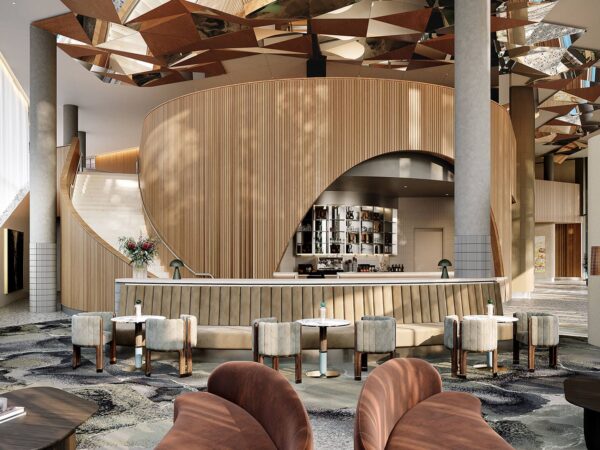
The Western Sydney Conference Centre adjoins the Pullman Sydney Penrith, a new luxury five-star hotel that opened last year.
Heavily inspired by Aboriginal themes, the fluid shape of the building reflects the nearby Nepean River, while the polished metal ceiling panels across the underside of the roof represent the way sunlight reflects upon the water’s surface. The garden is filled with mostly native plant species. A prominent First Nations sculpture tells the story of the river’s importance as a food source to the local Dharug people.
Associate Professor, UNSW Social Policy Research Centre
Debbie Haynes
Aboriginal Clinical Psychologist/PhD Candidate
Miimi Morris
RMIT & AbSec Child Protection Officer
Candice Butler
PhD Candidate and Research Fellow, Child Protection Hub, Jumbunna Institute of the University of Technology Sydney
Wendy Moore
SNAICC Board Member and Statewide Family and Children’s Program Manager at the Tasmanian Aboriginal Centre
Dr James Beaufils
Senior Research Fellow, Jumbunna Institute of Indigenous Education and Research, University of Technology Sydney
Jackie Wruck
Asia Pacific Regional Manager, Safe & Together Institute
Jackie Wruck
Asia Pacific Regional Manager, Safe & Together Institute
Jackie Wruck
Asia Pacific Regional Manager, Safe & Together Institute
Jackie Wruck
Asia Pacific Regional Manager, Safe & Together Institute
Jackie Wruck
Asia Pacific Regional Manager, Safe & Together Institute
Jackie Wruck
Asia Pacific Regional Manager, Safe & Together Institute
Jackie Wruck
Asia Pacific Regional Manager, Safe & Together Institute
Jackie Wruck
Asia Pacific Regional Manager, Safe & Together Institute
Jackie Wruck
Asia Pacific Regional Manager, Safe & Together Institute
Jackie Wruck
Asia Pacific Regional Manager, Safe & Together Institute
Sue-Anne Hunter
Sue-Anne Hunter is the National Commissioner for Aboriginal and Torres Strait Islander Children and Young People and a Wurundjeri and Ngurai Illum Wurrung woman.
Phillip Brooks
Phillip is a descendant of the Bidjara Tribe (Great Grandfather), the Kairi Tribe (Great Grandmother) and the Ducabrook Clan located at Springsure, Central Queensland.
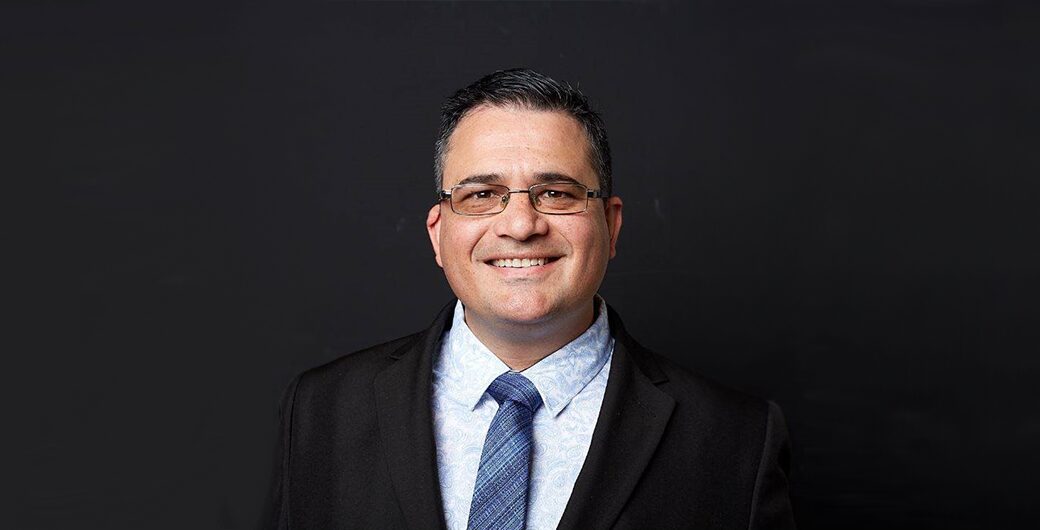
As Chief Executive Officer of the Queensland Aboriginal and Torres Strait Islander Child Protection Peak (QATSICPP), Phillip leads the state’s independent peak body for the Aboriginal and Torres Strait Islander community-controlled child protection and family support sector. QATSICPP is also the Youth Justice Peak body for Queensland, representing the broader youth justice sector.
Through strong partnerships, sector capacity building and systems reform, Phillip drives efforts to foster effective collaborations and influence policies, strategies and programs to advance QATSICPP’s vision that all Aboriginal and Torres Strait Islander children are safe, cared for and supported to thrive within their families, cultures and communities.
Phillip most recently held the position of Deputy Director-General of Corporate Services and First Nations Strategy and Partnerships and where he was responsible for overseeing the human resources, finance, procurement and facilities, legal services and internal audit functions for the department, along with improving education outcomes for Aboriginal students and Torres Strait Islander students.
Phillip was previously Deputy Director-General and Chief Operating Officer of Service Delivery, Youth Justice in the Queensland Department of Children, Youth Justice and Multicultural Affairs, and a former Commissioner at the Queensland Family and Child Commission.
Phillip’s distinguished career in child, youth and family support in Queensland also includes roles as Officer in Charge Queensland Police Service, Manager of Child Safety and Youth Justice Service Centres, Director Government Coordination, Executive Director Strategy, and Regional Director Child Family and Community Services in North Queensland.
Phillip completed the Executive Master of Public Administration with the Australia and New Zealand School of Government in 2020.
Dr BJ Newton
Associate Professor at the Social Policy Research Centre, UNSW Sydney.
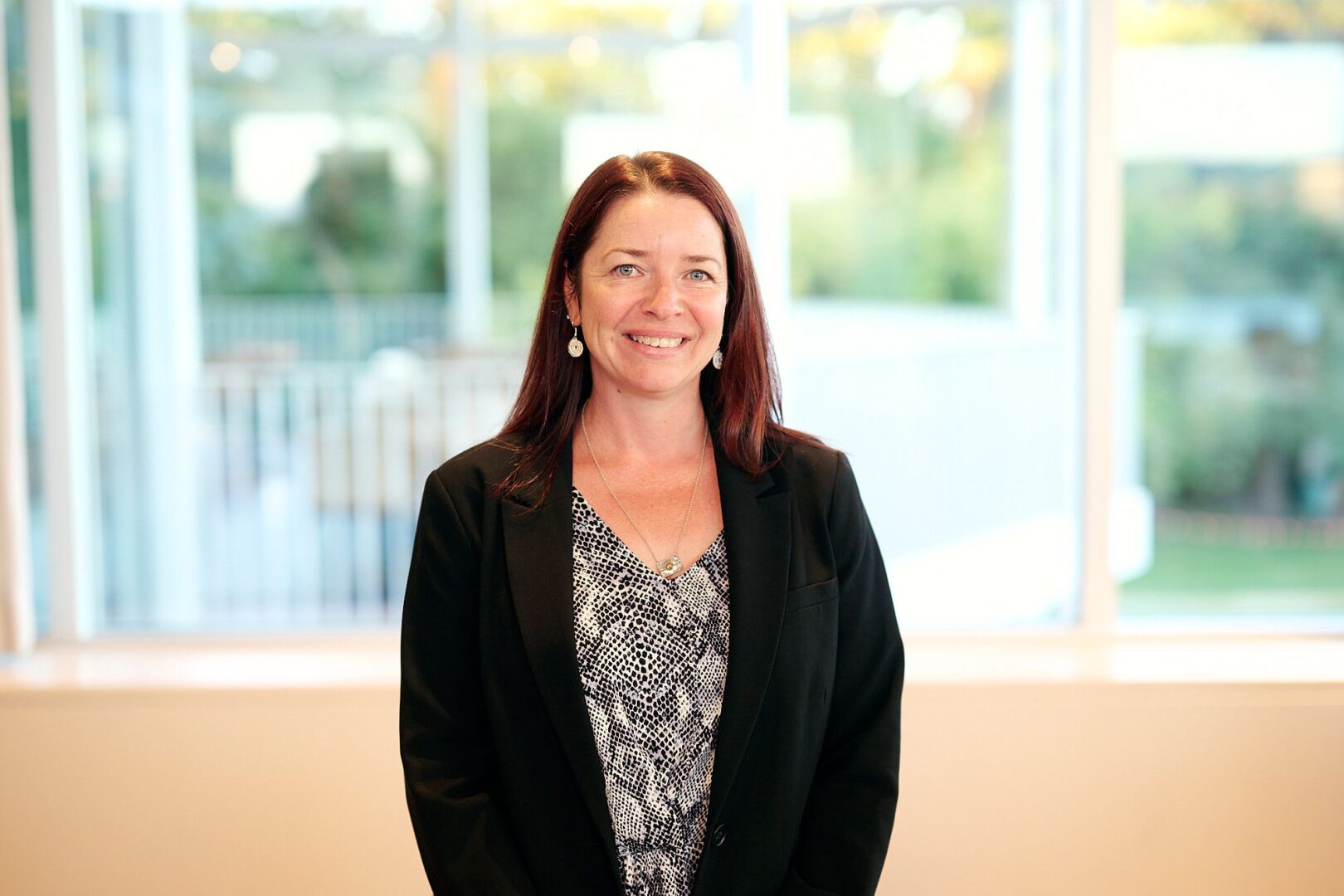
Dr BJ Newton is a proud Wiradjuri woman and mother to three young children. BJ’s research focuses on working in partnership with Aboriginal organisations to build evidence and support Aboriginal families interfacing with child protection systems. Her current research, Bring them home, keep them home investigates the rates, outcomes and experiences of successful and sustainable restoration for Aboriginal children in out-of-home care. This research is making significant impact across the child protection sector, facilitating truth telling, advocacy, and Aboriginal community-determined initiatives including the Aboriginal Authority for Restoring Children (AARC).
Debbie Haynes
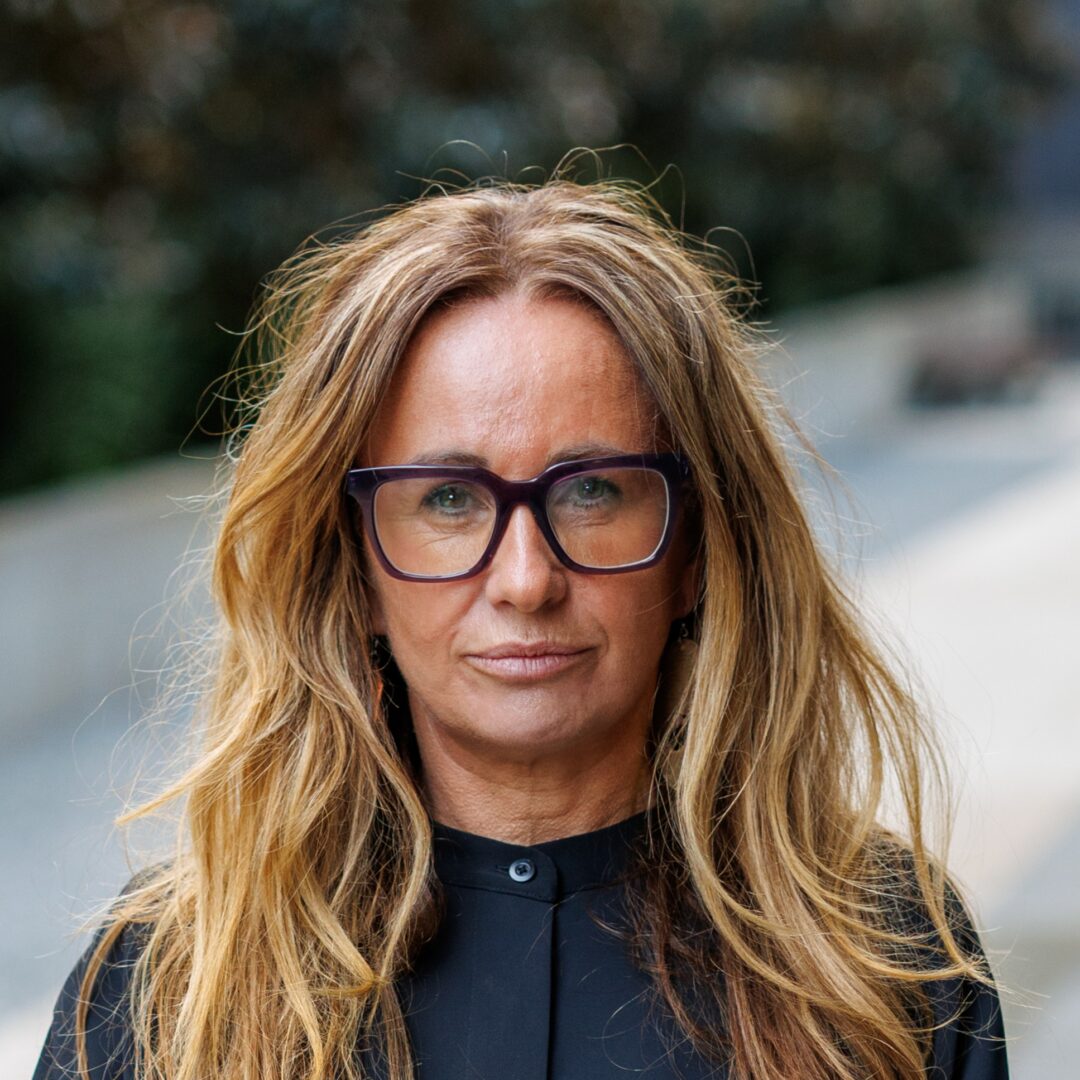
Debbie is a proud Gamilaraay yinarr, with maternal ancestry from the Bull, Colebull, and Balding families, and paternal connections to the Haynes, Lawrie, and Coleman families across Wirangu, Mirning, and Yuwaalaraay Country. Her work in psychology, psychotherapy, and trauma is grounded within her early beginnings of learning about advocacy and knowledges of community and family strengths. Debbie holds an Honours and Master of Clinical Psychology, registration with Gestalt Australia New Zealand, Australian Indigenous Psychology Association and College of Indigenous Healing Practices and is a registered Clinical Psychotherapist with PACFA. Deb is undertaking her PhD at Melbourne University, evaluating the “Walking in Blak Traks; Embedding the SEWB into Clinical Practices” cultural training, which she co-developed and delivered across NSW Department of Communities and Justice, Psychological and Specialist Services.
Her first publication, “The Effectiveness of Trauma-Based Therapies for Aboriginal and non-Aboriginal Children in Out-of-Home Care,” was published in the Lowitja Journal in May 2025. Deb advocates for the power of community-led healing and the urgency of truth-telling. Her work is a collaborative effort to create a future where our children’s voices are heard, valued, and protected.
Through her PhD efforts, she is committed to fostering meaningful change for young people, families, and communities impacted by family policing system. Her focus is on prioritising Indigenous models of wellness to support the development of strong cultural identities and enhance social and emotional wellbeing. Central to this commitment is strengthening a sense of belonging to Country and strongly advocating for the understanding of Aboriginal and Torres Strait Islander ways of knowing, being and doing which allow community to self-determine and flourish.
Grounded by her beginnings, she is committed to transformative approaches that support Aboriginal and Torres Strait Islander communities, centring Social and Emotional Wellbeing frameworks of self-determination, and collective flourishing.
Miimi Morris
My name is Miimi Morris I am a Gomeroi and Dungutti mother of five and a social work PhD student with RMIT University Melbourne. I am a survivor of colonial child removal and my children too are victims of the same system. My lived experience spans a lifetime of systemic impacts of child abduction and has involved 15 years of advocacy in confronting DCJ and non-Indigenous out of home care agencies in relation to the impacts of systemic violence upon my own Aboriginal motherhood, my own children, family and our culture knowing, being and doing and advocating for self-determination, authority and abolition.
I have lived, studied, worked and resisted colonisation on Awabakal Country for the past 30 years. My social work career spans 27 years of practice in various Aboriginal communities throughout nsw and remote communities in the remote Kimberleys and North East Arnhem land. I have worked across issues of domestic violence, drug and alcohol addiction, mental health, counselling in collective colonial trauma and in child protection spaces. My career has also involved working for victims of crime for NSW Justice as a counsellor in Frank Baxter Juvenile Justice Centre and as a private practitioner counselling women facing the impacts of violent crime.
My PhD thesis asked the question “What are the experiences of Aboriginal mothers who lose their children to colonial abduction?” I am nearing completion of my research thesis and will continue this work as an Indigenous researcher committed to the work of abolition and sovereignty for our families to raise our own children within our kinship systems guided by Indigenous governance prinicples.
Candice Butler
Candice Butler is a proud Aboriginal woman with strong family connections to Yarrabah in Far North Queensland and is a Social Worker with over 20 years’ experience working across government and Aboriginal and Torres Strait Islander affairs. Prior to her current role as PhD Candidate and research fellow with the Child Protection Hub at the Jumbunna Institute of the University of Technology Sydney, Candice was the inaugural Executive Director of the Centre of Excellence at the Queensland Aboriginal and Torres Strait Islander Child Protection Peak Ltd (QATSICPP), where she provided significant leadership in the design, delivery, management, and evaluation of projects to improve child and family wellbeing across Queensland. This included co-author of research and leading of the evaluation and action research agenda.
Candice’s PhD research is looking at what the key elements of a model to reclaim child and family services for Aboriginal and Torres Strait Islander communities looks like in Australia. She is passionate about ensuring Aboriginal and Torres Strait Islander peoples have true self-determination and authority over decisions that are made about their lives particularly in the area of Child Protection.
Wendy Moore
Wendy is a proud Palawa woman from Lutruwita / Tasmania, with family connections to the Furneaux Islands, specifically Cape Barren and Flinders Island. A qualified social worker with two decades’ experience working with Tasmanian children and families. Wendy is director of SNAICC and member of the national Safe and Supported Aboriginal Leadership Group.
She has also completed international study tours in USA in 2017 investigating First Nations culture and community-based initiatives, as well as participating in key Australian networks to support and strengthen the rights of Tasmanian Aboriginal children and families.
In 2023, Wendy managed the development of the first Tasmanian Aboriginal co-designed model and strategy to keep Aboriginal children living in Tasmania safe at home – out of welfare. The project was successfully launched in July 2025. The project has been hailed as a significant piece of work that will help ACCO and government to keep Aboriginal children safe in Tasmania
James Beaufils
Dr James Beaufils is a Mulwaree Gundungurra and Kanak Senior Research Fellow. His research works across Indigenous justice, child protection, youth justice, education, criminology and systems reform. Drawing on his professional background in corrections, education and policy, he examines how institutions shape the lives of children, families and communities, and how research can support practical change. His work brings together community engagement, critical policy analysis and applied evaluation to challenge carceral approaches and strengthen culturally grounded alternatives in justice, care and education systems.
Jackie Wruck
Jackie Wruck is a proud Yindinji woman from FNQ, Cairns/Yarrabah region. She is the Asia Pacific Regional Manager for Safe & Together Institute here in Australia.
She has extensive experience in the government and non-governmental agencies by working in Child Protection, DFV counselling, Indigenous and Queensland health, family wellbeing services as well as community housing and homelessness services.
As a child/adult survivor she uses her lived experience of both lateral and intimate partner violence to help others understand the added complexities when working with families who experience DFV alongside racism and other inequalities.
Jackie is a Safe & Together Certified Trainer and has been mentoring and coaching other professionals in its use. She’s been involved with numerous research projects involving the Safe & Together Model and has been an invited speaker on DFV, the Safe & Together Model and working with Aboriginal and Torres Strait Islander families in a culturally safe way across various regions in Australia.
AbSec would like to acknowledge the Traditional Owners of the land on which we will meet to discuss important matters, the Birpai people. We pay our respect to Elders past, present and emerging.
AbSec acknowledges the Stolen Generations who never came home and the ongoing impact of government policy and practice on Aboriginal children, young people and families.